

Key Takeaways
- Routine maintenance tasks have predictable costs that fit into a modest monthly budget.
- Skipping oil changes, tire rotations, or brake inspections frequently leads to repairs costing hundreds or thousands more.
- A simple maintenance schedule helps car owners avoid emergency repair bills and extend vehicle life.
- Most routine services cost between $25 and $300 - far less than the component failures they prevent.
The True Cost of Routine Maintenance
Most routine car maintenance tasks are more affordable than owners expect. The anxiety around bringing a car to a shop often leads people to delay service - but understanding typical costs makes budgeting much easier.
Here are general cost ranges for the most common services (actual prices vary by vehicle, region, and shop):
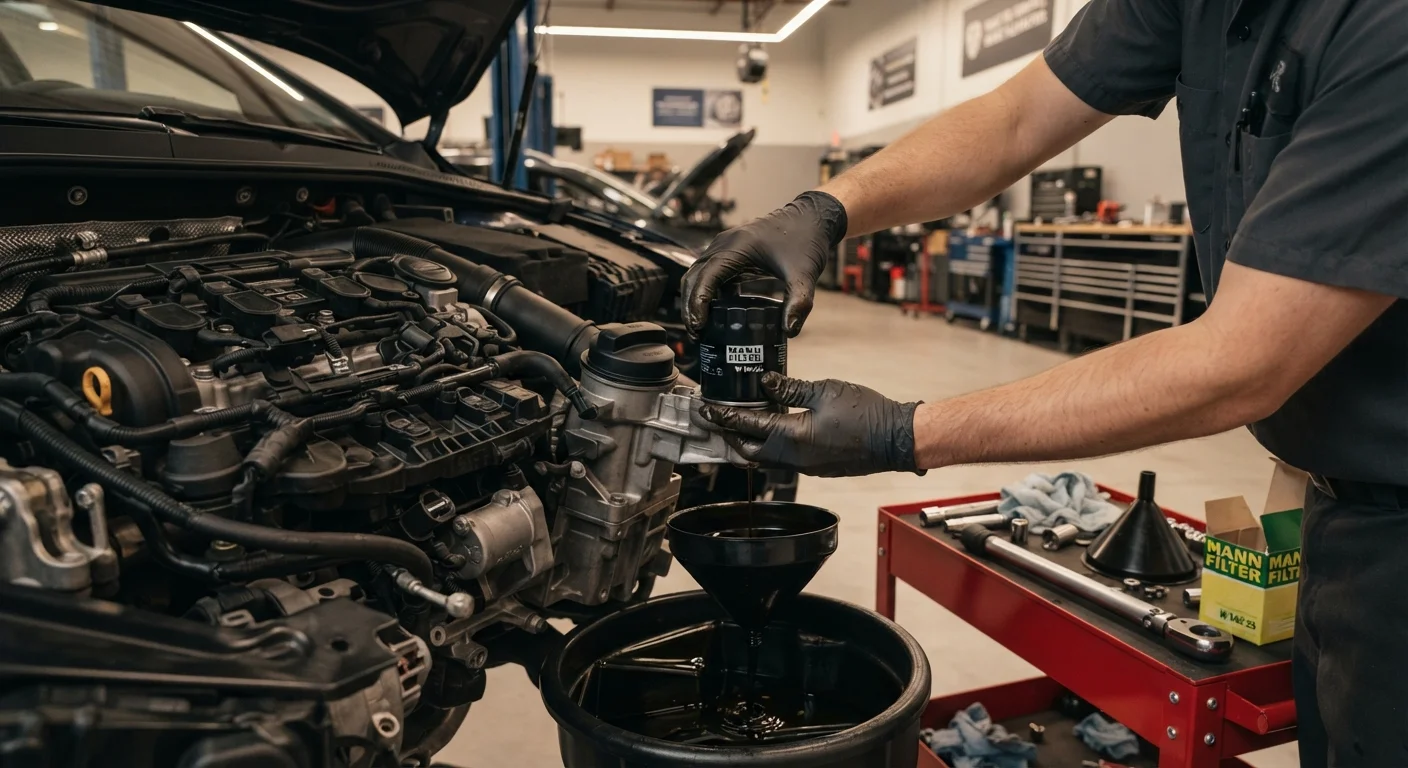
- Oil change: $30-$100 (conventional to full synthetic)
- Tire rotation: $20-$50
- Air filter replacement: $20-$60
- Brake inspection: Often free to $30; brake pad replacement typically runs $150-$300 per axle
- Coolant flush: $70-$150
- Transmission fluid change: $80-$250
Spread across a year, these services often total $300-$700 for a typical vehicle - a manageable figure when planned for in advance. See our guide to common budgeting mistakes to understand how skipping this planning compounds costs over time.
$1,200+
Average annual vehicle maintenance and repair cost
AAA estimates the average US driver spends over $1,200 per year on maintenance and repairs, underscoring the importance of budgeting proactively.
3-4x
Cost multiplier when maintenance is deferred
Industry data consistently shows that neglected maintenance issues - such as worn brake pads damaging rotors - cost three to four times more to fix than the original service would have.
Best Practices for Staying Ahead of Maintenance
Knowing what services are due - and actually scheduling them - is what separates owners who face manageable repair bills from those hit with major, unexpected expenses. The following practices are widely recommended by automotive industry professionals.
Follow your vehicle's owner's manual for service intervals, not just shop reminders.
Manufacturer intervals are engineered for your specific engine and drivetrain. Relying on generic shop stickers can lead to unnecessary early servicing or, worse, missing a critical interval your vehicle actually needs.
Schedule tire rotations every 5,000-7,500 miles or with every oil change.
Rotating tires equalizes wear across all four, extending the life of the full set significantly. Uneven wear degrades handling and forces premature replacement.
Have brakes inspected at least once a year or any time you notice squealing or longer stopping distances.
Brake pads wear gradually and give audible warnings when they're nearly spent. Acting on those signals early prevents rotor damage, which multiplies repair costs substantially.
Replace the engine air filter every 15,000-30,000 miles or when visibly dirty.
A clogged air filter restricts airflow to the engine, reducing fuel efficiency and putting extra strain on the engine. It is one of the least expensive services and straightforward to monitor.
Keep a written or digital service log with dates, mileage, and services performed.
A complete service history helps you avoid both redundant services and missed ones. It also adds credibility and value when selling the vehicle.
What Happens When You Skip Key Services
Deferred maintenance follows a predictable and costly pattern. Each skipped service increases the load on surrounding components.
Manufacturer Recommendations vs. Marketing
Some service intervals have been extended in modern vehicles - for example, many newer engines can go 7,500 to 10,000 miles between oil changes with full synthetic oil. Always follow your owner's manual rather than relying solely on sticker reminders left by shops, which sometimes recommend more frequent service than the manufacturer requires.
- Skipped oil changes: Engine oil degrades and loses its lubricating properties. Over time, metal components grind against each other, accelerating wear. Severe neglect can result in engine sludge or outright engine failure - a repair that can cost $3,000-$10,000 or more.
- Ignored tire rotations: Tires wear unevenly, reducing handling and safety. Premature replacement costs $400-$800 for a full set, compared to roughly $25-$50 per rotation.
- Delayed brake service: Worn brake pads damage rotors. Replacing rotors adds $200-$400 per axle on top of pad costs - a preventable expense.
- Overlooked coolant and transmission fluid: These fluids degrade and lose effectiveness. Neglect can lead to overheating, transmission slippage, or complete drivetrain failure.
For a structured schedule of when each service is typically due, see our routine maintenance calendar. First-time owners should also review common oversights that catch new owners off guard.
Building Maintenance Into Your Budget
Treating routine maintenance as a fixed monthly expense - rather than a surprise cost - is the most reliable way to stay on top of it. Setting aside $40-$75 per month covers most routine services for a typical vehicle. This approach aligns well with broader budgeting strategies and can be supported by a dedicated car maintenance savings fund.
Use Multi-Point Inspections Wisely
Many shops offer free multi-point inspections with oil changes. These can flag issues early - but remember that a shop's recommendation is not always urgent. Ask for the findings in writing and take time to research or get a second opinion before authorizing additional work. A trusted, independent mechanic is a valuable long-term resource.
Owners who track their vehicle's service history also tend to have better resale outcomes, since documented maintenance is a demonstrable sign of responsible ownership. Keep all receipts and service records in one place - a simple folder or a notes app works fine.
This article provides general information about vehicle maintenance costs and is not a substitute for advice from a qualified mechanic familiar with your specific vehicle and driving conditions. Costs vary significantly by location, vehicle make and model, and service provider.