Key Takeaways
- Starting with a lifestyle audit prevents wasted spending on clothes you'll rarely wear.
- A small set of versatile, well-fitting pieces outperforms a large, mismatched collection.
- Fit is the single biggest factor in whether clothing looks intentional and polished.
- Building a wardrobe gradually, category by category, keeps spending manageable.
- Proper care and occasional tailoring extend the life and value of every piece you own.
Start here
Why Starting From Scratch Is Actually an Advantage
Next
Understand Your Life Before You Buy Anything
Then
The Core Pieces That Work Across Most Wardrobes
When you're ready
Building Gradually: A Smarter Approach to Spending
Final step
Fit, Care, and Making Clothes Last
Why Starting From Scratch Is Actually an Advantage
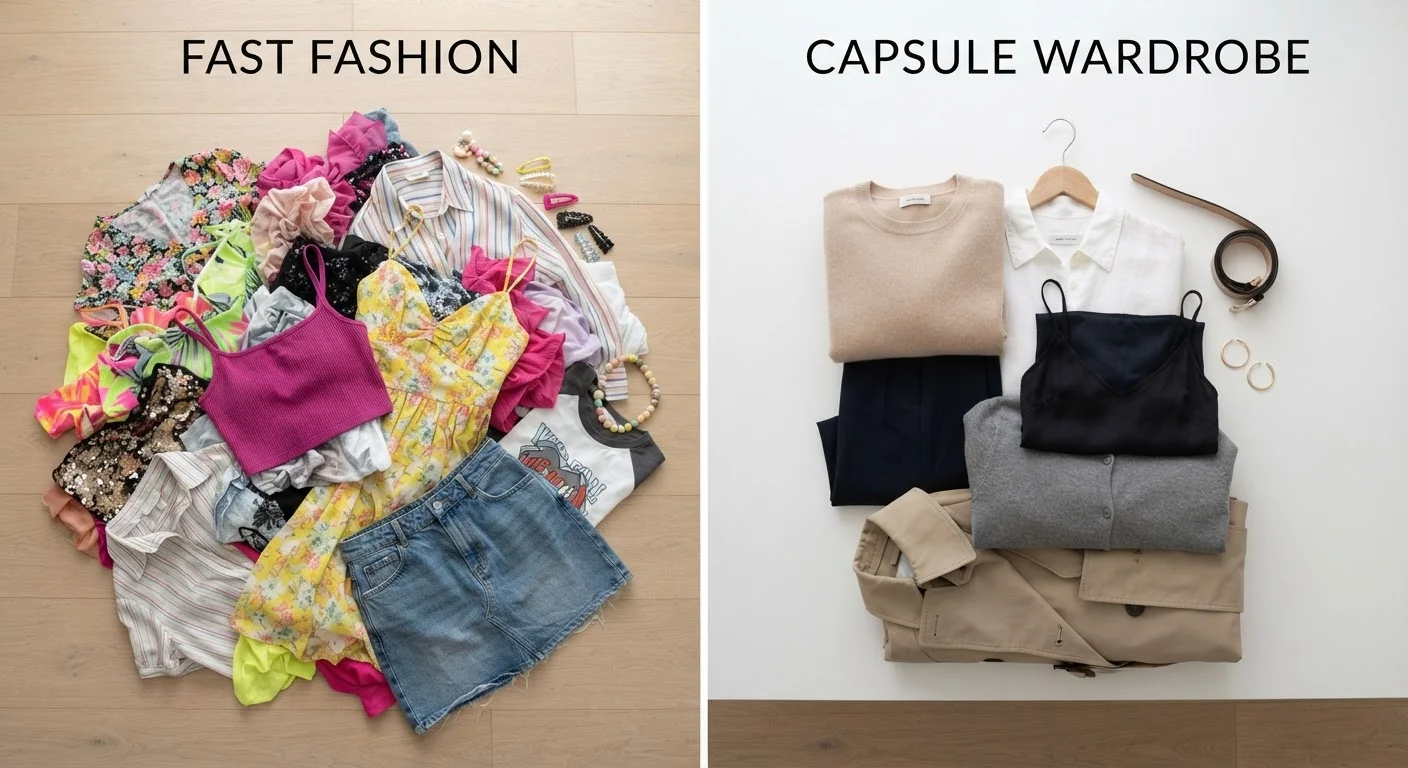
Most people assume building a wardrobe from nothing is a disadvantage. In reality, it's a rare opportunity to make intentional choices instead of inheriting a closet full of impulse buys, ill-fitting gifts, and trends you regret. Without the clutter, you can build something that genuinely works for your actual life - not a version of your life you imagined three years ago.
The biggest mistake first-time wardrobe builders make is treating it like a shopping spree rather than a considered process. This guide will walk you through a framework that prioritizes function first, then fit, then personal expression - in that order.
Foundation pieces
Versatile, neutral clothing items that form the base of a wardrobe and can be combined with almost anything else you own.
Capsule wardrobe
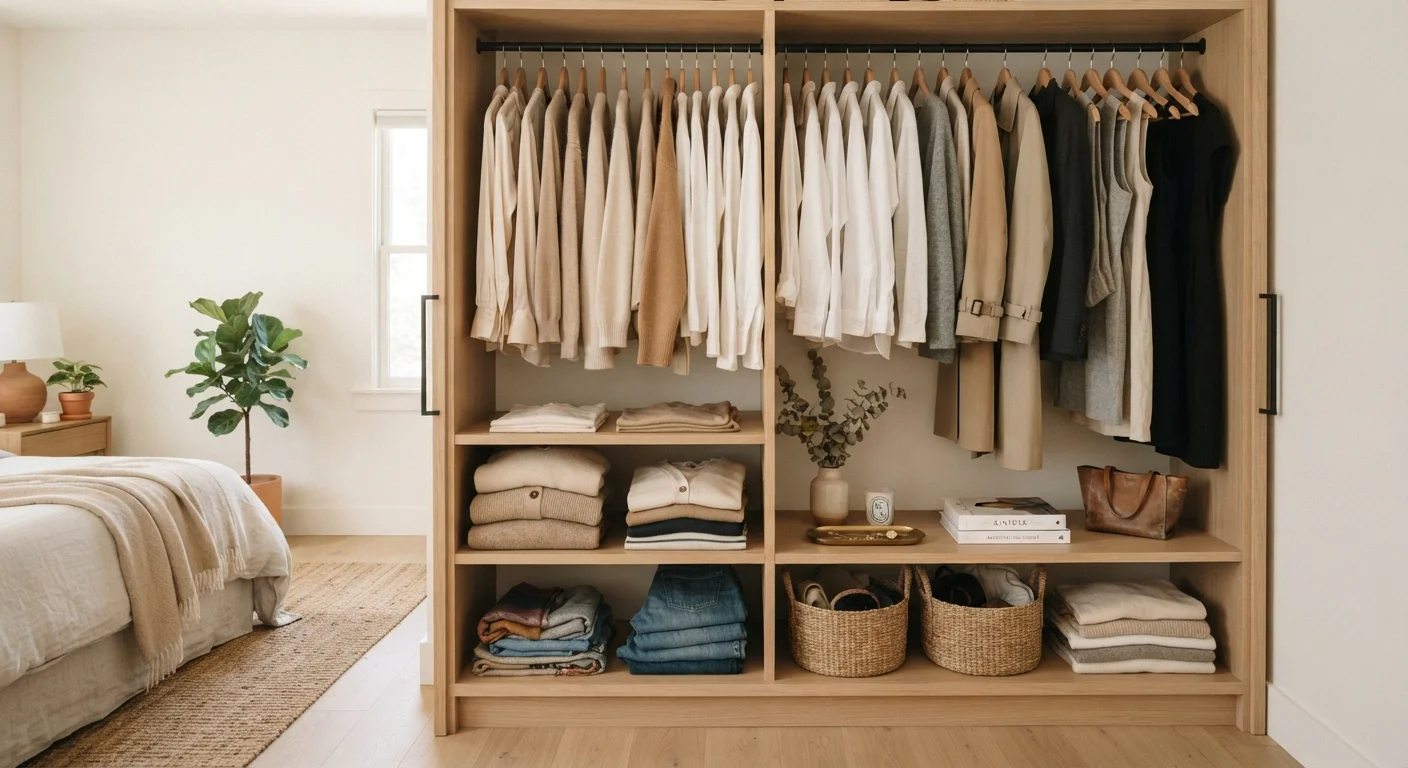
A small, curated collection of timeless, interchangeable clothing items designed to cover most everyday situations without excess.
Formality level
How dressed-up or casual an item of clothing is - ranging from formal business attire down to loungewear - used to match outfits to occasions.
Lifestyle audit
A personal review of how you actually spend your time week to week, used here to determine what types of clothing you genuinely need most.
Layering piece
A garment like a cardigan, blazer, or jacket worn over other items to add warmth, formality, or visual interest to an outfit.
Understand Your Life Before You Buy Anything
Before a single item enters your cart, take stock of how you actually spend your time. A wardrobe built for a life you don't live will feel useless within weeks. Ask yourself: How many days per week do I dress professionally? How often am I in casual or active settings? Do I attend formal events more than twice a year?
Map your typical week honestly. If you work from home four days a week and go out socially on weekends, your wardrobe needs should reflect that split - not an even distribution across formal, smart-casual, and loungewear. This lifestyle audit is the single most important step, because it determines where your money should go first.
Try a Week-in-Review Exercise
For seven days, note what you actually wear each day and what occasion you dressed for. At the end of the week, patterns emerge quickly - you'll see where your real wardrobe gaps are rather than guessing. This takes less than two minutes daily and saves real money.
The Core Pieces That Work Across Most Wardrobes
Once you know your lifestyle breakdown, you can identify your foundation pieces - items that serve multiple occasions and pair easily with each other. These aren't identical for everyone, but most functional wardrobes share a similar logic: a few well-fitted bottoms, a range of tops that work at different formality levels, one or two layering pieces, and footwear that covers your most common settings.
Neutral tones do the heavy lifting here. A white or pale-toned button-up, a pair of dark well-fitted trousers or jeans, a clean-lined crewneck or cardigan - these combinations handle the vast majority of everyday scenarios. Once your foundation is solid, accent pieces (bolder colors, prints, statement items) have something to anchor them rather than competing for attention.
Think in outfits, not individual items. Before buying anything, ask: does this work with at least three things I already own or plan to own? If the answer is no, reconsider.
Building Gradually: A Smarter Approach to Spending
Trying to complete a wardrobe all at once is one of the fastest routes to buyer's remorse. A more effective approach is to build by category, filling genuine gaps rather than shopping by what's available or on promotion. Set a clear clothing budget - if you haven't done this before, building a basic budget from scratch is a practical first step - and allocate it deliberately across your priority categories.
Start with the category that covers your most frequent daily scenario, get that right, then move to the next. This prevents overspending in one area while leaving actual needs unmet. As your wardrobe matures, you'll also develop a clearer sense of your personal style, which makes later purchases more accurate and less wasteful.
Avoid Buying for an Imagined Life
It's easy to purchase items for occasions you rarely encounter - formal events, travel, activities you plan to start someday. Unless you have a specific upcoming need, buy for the life you live now. Clothes bought for a hypothetical version of your routine tend to sit unworn and represent wasted spending.
Fit, Care, and Making Clothes Last
Fit is the single factor that most determines whether clothing looks considered or careless. A moderately priced item that fits well will almost always look better than an expensive one that doesn't. Shoulders should sit at the shoulder seam, sleeves should end at the right point on the wrist, and trousers should break cleanly at the shoe. When something is close but not quite right, basic tailoring is often more affordable than people expect and can transform a piece you'd otherwise return.
Care matters equally. Proper washing, storage, and rotation extend the life of everything you own. A reliable laundry routine protects fabric quality and keeps clothes looking newer for longer. Read care labels, fold knitwear instead of hanging it, and keep items out of direct sunlight when stored. The wardrobe you build carefully deserves to be maintained the same way.
This article is for informational purposes only and reflects general style guidance. Individual needs and budgets vary - make choices that suit your specific circumstances.