Key Takeaways
- Simple alterations like hemming and taking in seams offer the highest return on investment.
- The cost of an alteration should be weighed against the garment's original value and longevity.
- Structural changes - like resizing a jacket's shoulders - are complex and often not cost-effective.
- Well-tailored basics can look more expensive and polished than poorly fitting designer pieces.
- Not every fit problem is fixable; some garments are better replaced than altered.
Why Tailoring Is Worth Understanding
Most people wear clothes that don't quite fit - not because they can't find better options, but because they don't realize how much a minor adjustment can change the way a garment looks and feels. As noted in our guide to fit, the single biggest factor in looking well-dressed isn't price or brand - it's how clothing sits on your body.
Tailoring bridges that gap. But not every alteration is practical, affordable, or even possible. Knowing which changes are worthwhile helps you spend wisely and get real results. This guide walks through the most common alterations, what they involve, and how to decide when they make sense.
Alterations That Are Almost Always Worth It
These adjustments are relatively straightforward, typically affordable, and produce a noticeable improvement in how a garment looks.
Hem trousers and jeans to the correct length for your height and shoe style
Trouser length has an outsized effect on how put-together an outfit looks. Too long and fabric bunches at the ankle; too short and proportions look off. A proper hem is one of the least expensive and most impactful alterations available.
Take in the waist of trousers or skirts when the fit is good elsewhere
Waistbands that are too loose ruin the line of an otherwise well-fitting bottom. Taking in the waist is a contained alteration that doesn't affect the seat, thighs, or hem - making it both practical and low-risk.
Slim or taper shirt and jacket sleeves for a cleaner silhouette
Excess fabric in sleeves makes even well-constructed garments look sloppy. Tapering sleeves is a manageable alteration that meaningfully sharpens the overall look without touching the garment's structure.
Shorten jacket or coat sleeves to reveal the correct amount of shirt cuff
Sleeve length on outerwear follows a clear style principle - about a quarter inch of shirt cuff should show below a jacket sleeve. Getting this right signals attention to detail and significantly elevates formal looks.
Take in side seams of shirts or dresses that fit at the shoulders but are too boxy in the body
When the shoulders of a garment fit correctly, it signals that the piece was made for your frame - taking in the body to match is a straightforward adjustment. It transforms a shapeless garment into one that looks intentional.
Alterations to Approach Carefully
Some alterations are technically possible but require more labor, more skill, or more cost than the result justifies. Understanding the limits helps you avoid spending more than a garment is worth.
When the Construction Limits What's Possible
Garment construction varies significantly by price point and origin. Clothes made with minimal seam allowances, fused (rather than sewn) interfacing, or glued hems can be difficult or impossible to alter cleanly. A skilled tailor will tell you upfront what a piece can realistically support. When in doubt, ask before committing to anything complex.
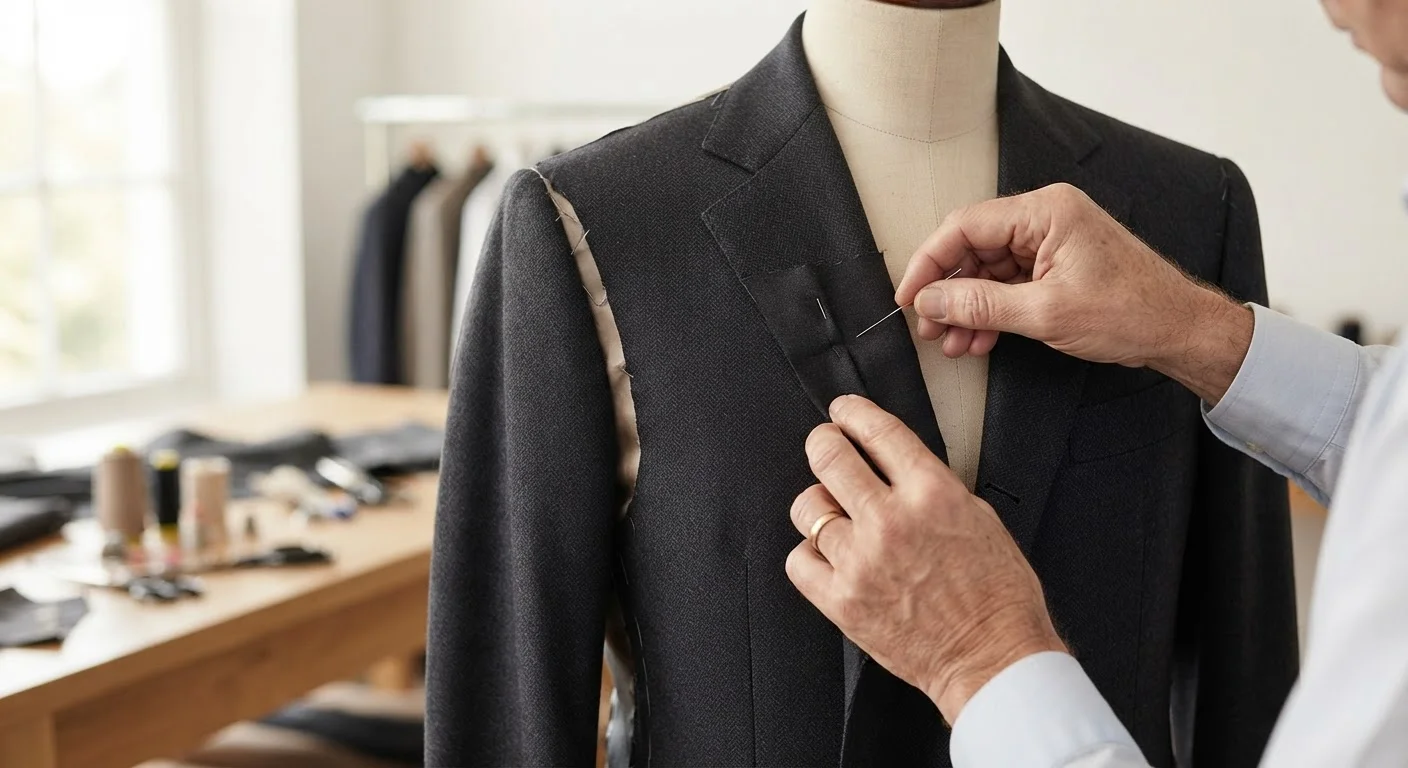
Resizing a jacket's shoulder seams is the classic example of a complex alteration. The shoulder is the structural foundation of a tailored jacket - moving it even slightly requires deconstructing and rebuilding much of the upper garment. Costs can rival or exceed the jacket's original price for anything but the most skilled tailors working on high-quality pieces.
Similarly, letting out seams is only possible if there's enough extra fabric - called a seam allowance - hidden inside the garment. Many mass-produced clothes have minimal seam allowances, leaving no room to expand. A tailor can check this before you commit.
For readers building a smarter approach to what they own, understanding how garment construction differs between price points helps set realistic expectations about alterability.
“A well-tailored garment doesn't announce itself - it simply looks right. The goal isn't to make clothes look altered; it's to make them look like they were made for you.”
— Tim Gunn, Fashion consultant and co-host of Project Runway
How to Decide What to Alter
A practical rule of thumb: the alteration cost should not exceed 30-40% of what you paid for the item - and the item itself should be worth keeping long-term. A $30 shirt hemmed for $20 rarely makes sense. A $200 blazer adjusted for $40 often does.
Consider these questions before taking anything to a tailor:
- Is the fit problem in the shoulders? If yes, proceed cautiously - shoulder work is expensive.
- Is there enough fabric to work with? Letting out requires seam allowance; your tailor can assess this.
- Is the garment high quality enough to last? Alterations extend a garment's life only if the fabric and construction can hold up.
- Could you solve this by buying a different size? Sometimes a different size with minor adjustments beats altering a poor fit from the start.
If you're building a wardrobe from the ground up, it's worth factoring in tailoring costs when budgeting for foundational pieces - especially suits, trousers, and structured blazers. Visit budgeting resources for help thinking through clothing costs as part of your broader spending plan.
And if outfits still feel off even after addressing fit, the issue might be something else entirely - see why outfits don't feel pulled together for a broader diagnostic.