Key Takeaways
- Poor fit is the single most common reason outfits feel unfinished, even with quality pieces.
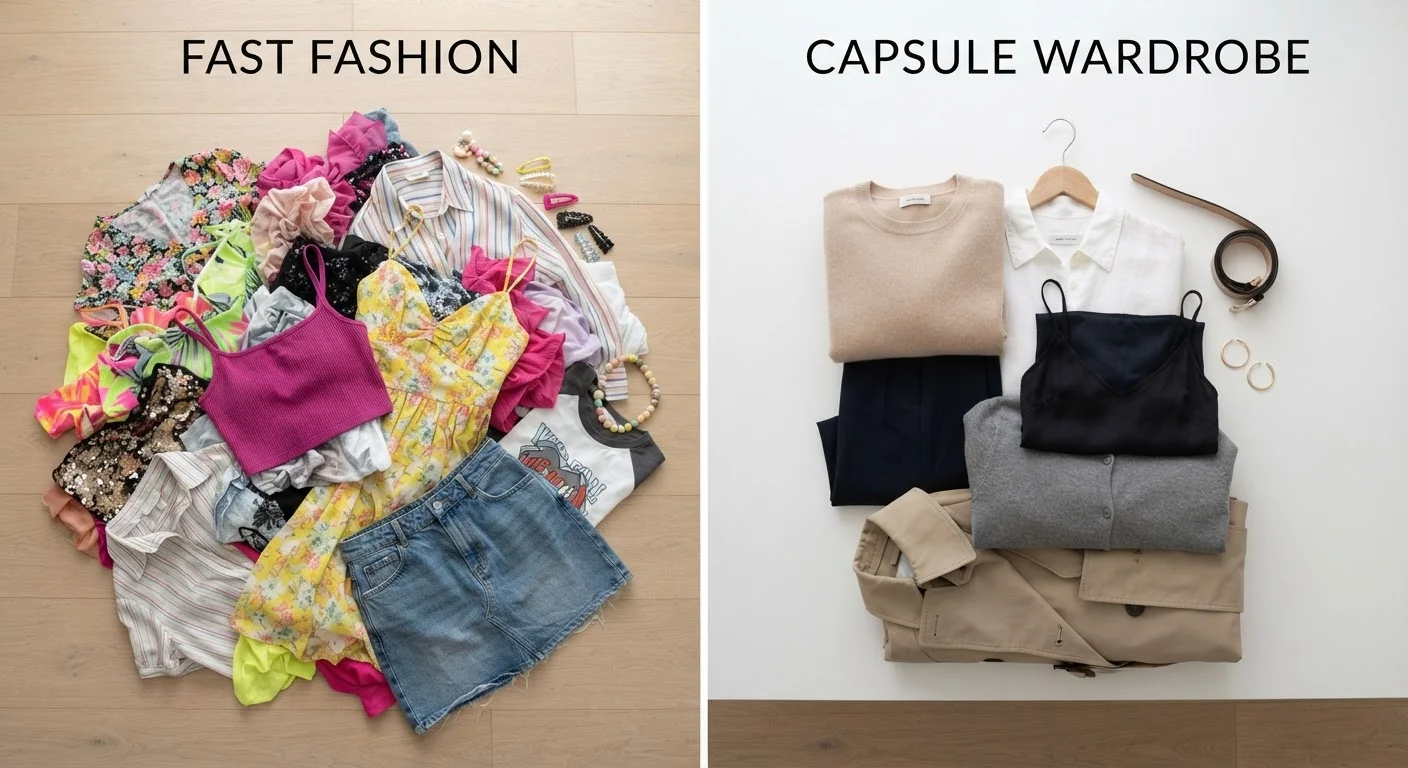
- Mixing too many competing colors or patterns breaks visual cohesion quickly.
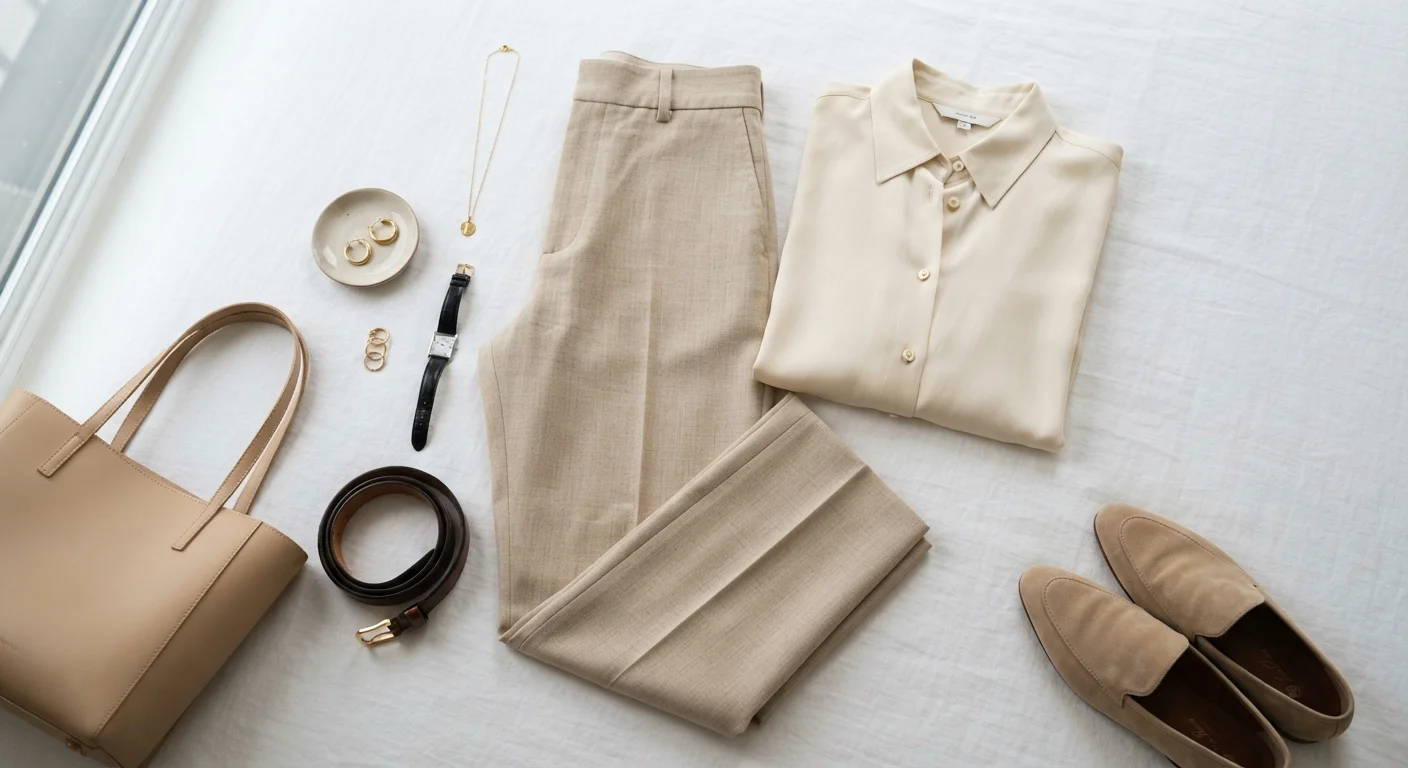
- Shoes and accessories that don't match the outfit's formality level create disconnect.
- Proportion - how pieces relate in volume and length - shapes how polished a look appears.
- Most style problems are fixable with small adjustments rather than a wardrobe overhaul.
When the Pieces Are Fine but the Outfit Isn't
A common frustration: you own clothes you genuinely like, yet most mornings you stand in front of the closet feeling like nothing works. The problem is rarely the individual pieces - it's how they're combining. Outfits feel cohesive when several factors line up at once: fit, proportion, formality, and color. When even one of those is off, the whole look suffers.
The good news is that these are all learnable, fixable variables. Understanding what's actually going wrong is the first step toward dressing in a way that feels consistently intentional.
Wearing clothes that don't fit your current body correctly.
Why it happens: Many people hold onto pieces that once fit well, or buy aspirationally. The result is clothing that pulls, gaps, or hangs in ways that look unintentional.
Ignoring the formality mismatch between pieces.
Why it happens: People often dress in categories - casual tops, dressy bottoms - without considering whether those categories actually belong together in one outfit.
Wearing shoes that undercut an otherwise cohesive look.
Why it happens: Shoes are often chosen for comfort or convenience at the last moment, rather than as an intentional component of the outfit.
Mixing patterns or colors without a unifying element.
Why it happens: Individual pieces can look appealing in isolation, but without a shared color, tone, or visual weight, they create visual noise rather than a coherent look.
Getting proportions wrong between top and bottom.
Why it happens: Most dressing advice focuses on color or style, leaving proportion - the relative volume and length of pieces - underexplained and underused.
How to Start Fixing It
You don't need to rebuild your wardrobe from scratch. Most of the issues that make outfits feel disjointed can be addressed with small, targeted adjustments.
Fit Is the Foundation of Every Outfit
No amount of color coordination or accessory styling will compensate for clothes that don't fit your body well. Before adjusting anything else in your outfit formula, look honestly at whether your pieces fit correctly across the shoulders, chest, and waist. Our guide on how fit changes the way clothes look breaks down exactly what good fit means garment by garment.
Start by auditing your existing pieces for fit. Pull out anything that doesn't sit correctly on your body and decide whether it's worth altering or should be retired. Then look at how your pieces interact in terms of formality and proportion - dress each outfit as a system, not a collection of individual items.
Color is the third lever. When you're unsure whether a combination works, a basic understanding of color theory applied to clothing can replace guesswork with a repeatable approach. If you travel and want these principles to hold up with a limited selection, the same logic applies - see how to pack light without sacrificing your outfits for a practical framework.
Don't Confuse Expensive With Polished
Price has little to do with whether an outfit looks pulled together. An expensive item that fits poorly or clashes with surrounding pieces will look worse than a modest piece that fits well and suits its context. Focus on fit, proportion, and coherence before price.
This article is for general informational and style guidance purposes only. Fashion advice is subjective and should be adapted to individual needs and preferences.