
Key Takeaways
- Good fit matters more than price, color, or trend when it comes to how clothes look.
- Shoulders are the hardest structural element to alter - always prioritize shoulder fit when buying.
- Excess fabric creates visual bulk; removing it through tailoring can dramatically change how a garment reads.
- Fit rules differ by garment type - what looks right on a shirt won't apply to a suit jacket or trousers.
- Many fit issues are fixable; knowing which ones are worth addressing saves money and frustration.
Clothing Fit
Fit describes how closely or loosely a garment conforms to the contours of a body. A well-fitting piece sits where it's supposed to, moves without pulling or bunching, and flatters regardless of price or brand. It's the single most influential factor in whether an outfit looks intentional or accidental.
Fit is distinct from size: size is a manufacturer's label, while fit is the relationship between the garment's construction and your specific proportions - a distinction that matters especially in ready-to-wear clothing, which is made for a standardized body.
Why Fit Outranks Every Other Style Variable
Most people troubleshoot their outfits by reaching for new colors, different patterns, or trendier pieces. But the more consistent culprit behind an outfit that feels "off" is simpler: the clothes don't fit correctly. Fit governs how fabric interacts with a body in motion and at rest - and nothing else in a wardrobe decision has the same visual impact.
This isn't about conforming to a narrow body ideal. Fit is about proportion and intentionality. A garment that fits makes the wearer look put-together; one that doesn't pulls attention toward the wrong places - a pulling seam, a drooping shoulder, a waistline that disappears. Understanding fit gives you a foundation that makes everything else - color, fabric, and personal style - more effective.
~60%
Of shoppers report fit as the primary return reason
Industry research consistently identifies fit as the leading cause of clothing returns in U.S. retail, outpacing color, style, and quality concerns.
$25-$75
Typical cost range for common tailoring alterations
Basic alterations like hemming trousers or taking in a shirt waist generally fall within this range at most local tailors, making the investment accessible for wardrobe staples.
Shoulders first
Most critical fit point on a structured jacket
Tailoring professionals consistently cite shoulder fit as the most structurally complex alteration, making it the dimension to prioritize when purchasing any structured outerwear or blazer.
The Anatomy of Fit: Garment by Garment
Fit principles aren't universal - they shift depending on the garment's structure and purpose. Here's what to look for across the most common wardrobe pieces:
Shirts and Tops
The shoulder seam should sit at the edge of the shoulder bone, not drooping onto the arm or riding up toward the neck. The chest should have enough room to move without straining buttons. For a fitted look, the fabric shouldn't balloon away from the torso at the sides.
Trousers and Jeans
The waistband should sit comfortably without gaping at the back. The seat and thighs should allow movement without excess fabric bunching. Length - whether full, cropped, or cuffed - is the easiest element to alter and one of the most visible.
Blazers and Suit Jackets
Shoulders are critical here. The seam must sit cleanly at the shoulder's edge - this is structurally the hardest element to alter. The jacket should button without pulling and the sleeves should reveal a small amount of shirt cuff. A well-fitting jacket is transformative; a poorly fitting one undermines even expensive fabric.
Always Try On Before You Buy
Size labels vary widely between brands and even between garment types within the same brand. When shopping in person, try garments in your usual size and one size up or down, then evaluate fit across all key points - shoulders, chest, waist, and length. When shopping online, check the brand's size chart and read customer reviews that mention fit specifically.
What "Too Big" and "Too Small" Actually Look Like
Both extremes create problems, but they manifest differently. Clothing that's too large creates drag lines - fabric that pulls downward rather than following the body's contour. It adds visual weight and makes silhouettes appear undefined. Too-small clothing pulls horizontally across stress points: buttons gap, seams strain, and movement becomes restricted.
The goal isn't tight; it's clean. Fabric should drape with ease while still acknowledging the body's shape. This principle applies whether you prefer relaxed, structured, or anywhere between. Even intentionally oversized styles - common in contemporary casualwear - work when the proportions are deliberate. As explored in body-shape dressing guidance, understanding your proportions helps you identify which garment shapes tend to work and why.
When to Buy for Fit and When to Alter
A practical approach to fit involves knowing when to walk away from a garment and when to invest in adjustments. The general rule: buy for the largest part of your body that's difficult to alter (typically shoulders or chest), and plan to adjust what's easier (waist suppression, hem length, sleeve length).
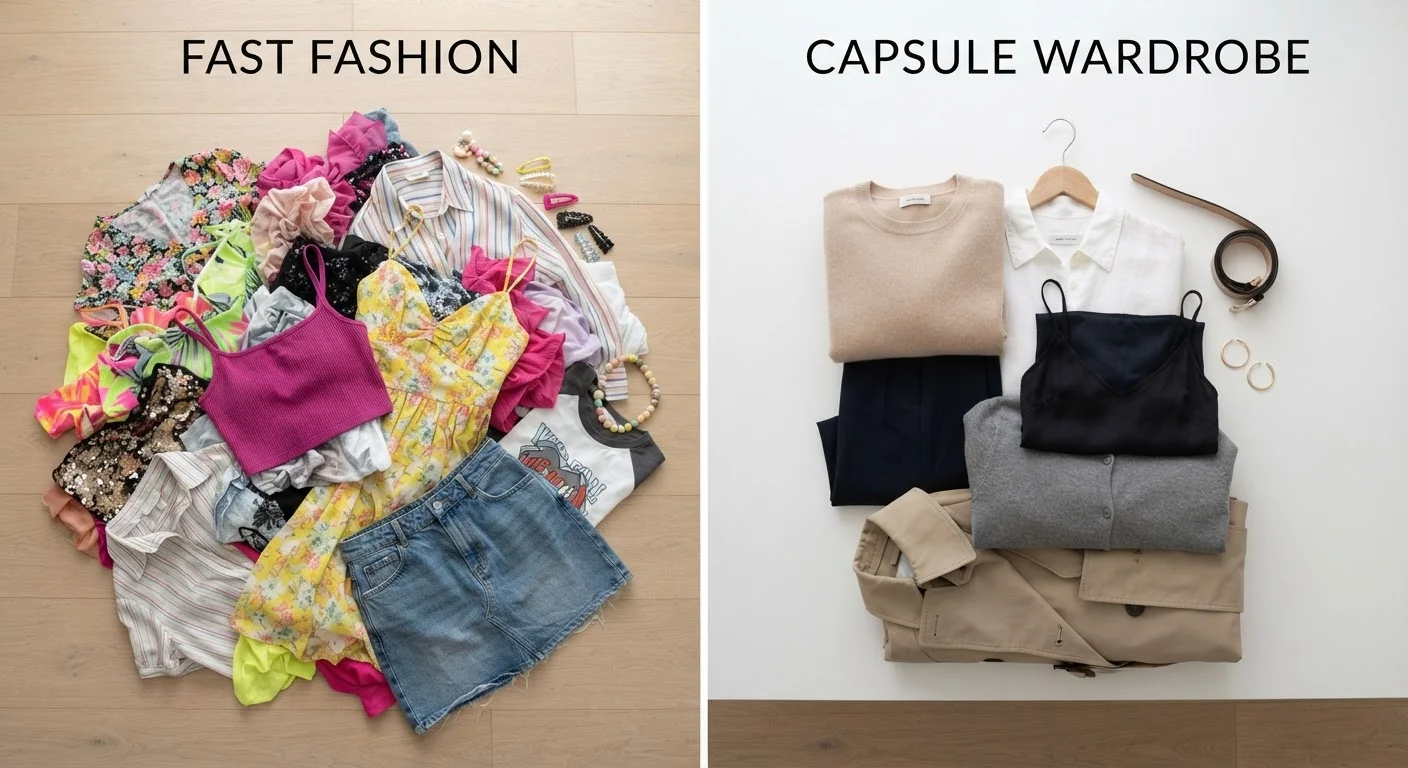
Common, affordable alterations include hemming trousers and sleeves, taking in the waist or side seams of a shirt or jacket, and adjusting a waistband. Structural changes - moving pockets, resizing shoulders, or restructuring a collar - are significantly more complex and may cost more than the garment warrants. Knowing which alterations are worth pursuing can save both money and wardrobe frustration. Building a small, well-fitting wardrobe - as explored in the capsule wardrobe concept - tends to deliver more value than a large collection of garments that never quite look right.
“The most elegant thing a garment can do is disappear - when fit is right, you stop noticing the clothes and start noticing the person wearing them.”
— Tim Gunn, Fashion educator and author on style principles