Key Takeaways
- Personal style is built on self-knowledge, not trend-chasing.
- A wardrobe audit is the most productive first step anyone can take.
- Defining a consistent color palette simplifies every future shopping decision.
- Intentional purchases aligned to your real life reduce waste and regret.
- Style evolves - revisiting and editing your wardrobe regularly keeps it working for you.
What Personal Style Actually Means
Personal style is often confused with fashion, but the two are distinct. Fashion is what the industry offers each season; personal style is how you interpret and inhabit clothing in a way that feels authentic to who you are. It encompasses fit, color, silhouette, and the subtle signals your choices send about your personality and values.
Crucially, personal style is not reserved for people with large budgets or insider knowledge. It is a learnable skill - one built through observation, experimentation, and a clearer understanding of your own preferences. This guide walks through that process from start to finish, giving you a practical framework rather than a list of rules to follow.
“Style is a way to say who you are without having to speak.”
— Rachel Zoe, Fashion designer and style authority
Start With Self-Assessment
Before you buy anything or make any changes, the most valuable exercise is an honest audit of what you already own and how you actually live. Open your closet and ask: What do I reach for repeatedly? What still has tags on it? What do I feel genuinely confident wearing?
This inventory reveals patterns. Most people discover they default to a narrower set of colors and silhouettes than they realize - and that much of what they own doesn't reflect how they actually spend their time. Consider your daily context: your work environment, social activities, and the practical demands of your lifestyle. Style that doesn't fit your life won't get worn, regardless of how appealing it looks on a hanger.
When auditing your closet, turn every hanger backward at the start of a season. After three months, anything still reversed hasn't been worn - and probably doesn't belong.
This method removes the guesswork from wardrobe editing by letting your actual behavior, rather than your intentions, make the decision for you.
Before defining your aesthetic in words, define it in images. Language is imprecise; a visual mood board reveals preferences you may not be able to articulate yet.
Research in consumer behavior consistently shows that people's stated preferences and actual choices diverge - visual reference bypasses that gap.
If you find yourself uncertain about where to draw the line between style spending and financial priorities, a solid personal budgeting framework can help you allocate clothing costs without second-guessing every purchase.
Defining Your Aesthetic
An aesthetic is simply a visual shorthand for your preferences. Terms like "minimalist," "classic," "eclectic," or "streetwear-influenced" are useful starting points, but don't let labels become a cage. The goal is to identify the common thread running through what genuinely appeals to you.
A practical method: collect images - from magazines, social media, or anywhere else - that you find visually compelling. After accumulating 20 or 30, look for patterns in color, texture, silhouette, and occasion. This exercise often surfaces preferences you weren't consciously aware of.
80%
Clothes worn regularly vs. owned
Style researchers and professional organizers frequently cite the observation that most people regularly wear only about 20% of their wardrobe, leaving the majority unused.
5-8
Ideal personal color palette size
Style consultants generally recommend anchoring a wardrobe to five to eight coordinating colors to maximize versatility and reduce purchasing errors.
Once you have a working sense of your aesthetic, define a personal color palette of roughly five to eight colors that recur in your saved images. Anchoring your wardrobe to a consistent palette makes mixing and matching far easier and reduces the risk of impulse purchases that never integrate with anything you own.
Building a Functional Wardrobe
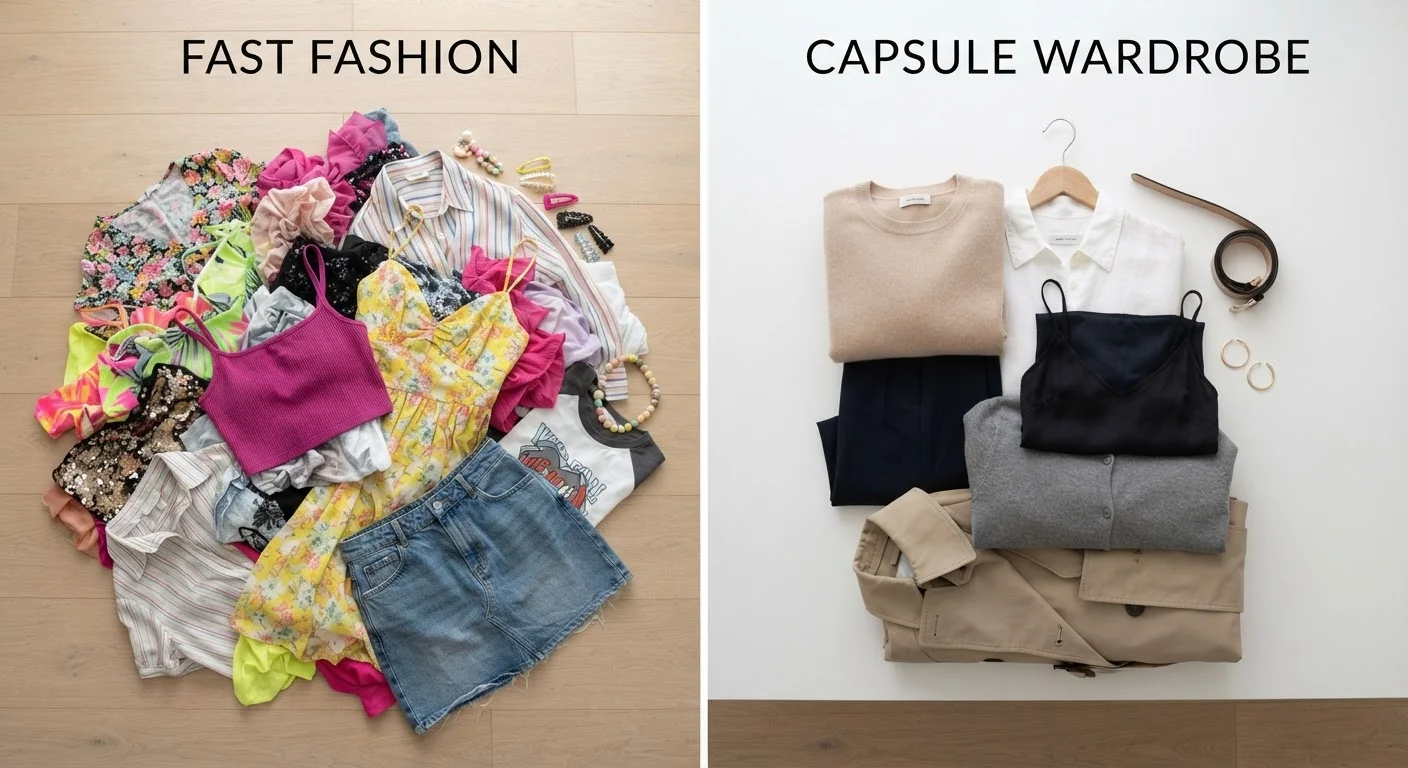
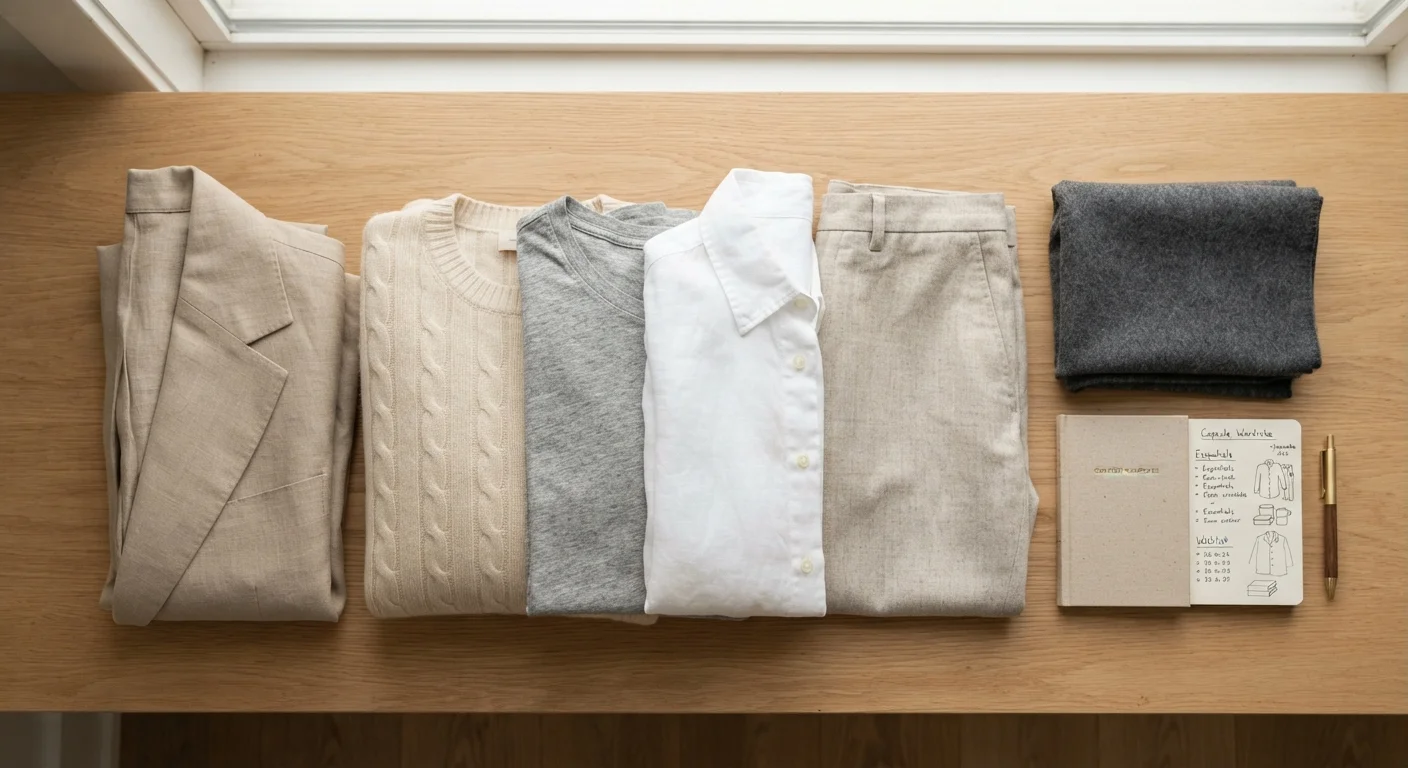
A functional wardrobe isn't about owning the fewest items possible - it's about owning items that work together and serve your actual life. The concept of a "capsule wardrobe" (a compact, coordinated core of versatile pieces) has become popular for good reason: it reduces decision fatigue and clarifies what you actually need.
Start with the categories that cover the most hours of your week. If you work in a professional environment, that means office-appropriate basics. If your days are largely casual, invest there first. Specialty items - formalwear, active gear, seasonal pieces - can layer on top once the core is solid.
The One-In, One-Out Rule
Once your core wardrobe is established, consider adopting a one-in, one-out policy: when you bring in a new piece, donate or sell an existing one. This keeps your closet from expanding beyond what you can actually use and forces more deliberate purchasing decisions.
For a deeper breakdown of how to actually begin this process, our dedicated wardrobe-building guide walks through the core principles step by step.
Shopping With Intention
Intentional shopping means making purchases that are aligned with a clear plan rather than driven by impulse or marketing pressure. Before buying any item, ask: Does this fit my color palette? Does it work with at least three things I already own? Does it suit the life I actually lead, not an idealized version of it?
Slowing down the decision process - even by 24 hours - dramatically reduces regret purchases. This approach is also more financially sustainable. Shopping smarter on any budget starts with the same habits: clarity about what you need, patience in finding it, and resistance to artificial urgency.
Avoid Building a Wardrobe Around Aspirational Scenarios
One of the most common style mistakes is purchasing for a life you don't yet live - the "someday" cocktail dress or the office blazer for a fully remote job. Clothes bought for imagined occasions rarely get worn. Build your wardrobe around your current reality, and let it evolve as your life does.
Maintaining and Evolving Your Style
Style is not a destination. Your preferences, lifestyle, and priorities will shift over time, and your wardrobe should reflect that. A useful practice is a seasonal review - twice a year, reassess what still serves you and what has drifted out of alignment with who you are now.
Proper garment care extends the life of what you own significantly. Following care label instructions, storing items correctly, and addressing minor repairs early keeps your wardrobe functional longer. This is both an economic and an environmental consideration.
Personal style also connects to how you carry yourself and how you feel day to day. The relationship between appearance and mindset is worth considering - feeling put-together tends to support confidence, though the relationship runs in both directions. Similarly, shopping with intention across every category - not just clothing - reinforces the habits that make style sustainable long term.
If you're also building a skincare routine alongside your style, starting from scratch with skincare follows many of the same principles: assess what you have, identify what you actually need, and build incrementally.