

Key Takeaways
- Calorie needs generally decline with age, but micronutrient needs often increase.
- Bone-building nutrients like calcium and vitamin D become more critical after age 50.
- Protein intake gains importance in midlife and beyond to counter muscle loss.
- Digestive changes in older adulthood affect how well certain nutrients are absorbed.
- A registered dietitian can help translate general principles into a personal plan.
Why Nutritional Needs Change Over Time
The human body is not static. From your early twenties through later decades, your metabolism, hormone levels, organ function, and even gut bacteria shift in ways that directly affect how your body processes and requires nutrients. Understanding these changes is the first step toward eating in a way that genuinely supports your health at each stage of life.
Three biological forces drive most age-related nutritional shifts: changes in basal metabolic rate (how many calories you burn at rest), alterations in nutrient absorption efficiency in the digestive tract, and hormonal transitions - such as those surrounding menopause or andropause - that affect bone density, muscle mass, and cardiovascular risk. The result is that a dietary pattern ideal in your twenties may leave critical gaps by your fifties.
~1-2%
Metabolic rate decline per decade after age 30
Research published in peer-reviewed physiology literature estimates basal metabolic rate decreases gradually with each decade of adult life.
Age 30
Approximate peak bone mass in most adults
According to the National Institutes of Health, bone density typically reaches its maximum around age 30, making earlier nutrition foundational.
1,200 mg
Daily calcium recommendation for women over 50
The NIH Office of Dietary Supplements recommends increased calcium intake for postmenopausal women to help offset accelerated bone loss.
This guide covers the key nutritional priorities at three broad life stages: young adulthood, midlife, and older adulthood. It is general health information, not personalized medical or dietary advice. Always consult a registered dietitian or healthcare provider before making significant changes to your diet.
Young Adulthood (Ages 18-30): Building Your Foundation
The late teens through early thirties represent a critical window for building physiological reserves that will serve you for decades. Bone mass typically peaks around age 30, making adequate calcium (around 1,000 mg daily for most adults in this range, per the National Institutes of Health) and vitamin D essential during this period - not just for structural integrity, but for immune function and mood regulation.
Iron deserves particular attention. Menstruating individuals are at higher risk of iron-deficiency anemia, and dietary sources like lean red meat, legumes, fortified cereals, and leafy greens paired with vitamin C-rich foods can support healthy iron levels. Young adults of all sexes benefit from adequate folate, especially if pregnancy is a possibility, since neural tube defects can occur before many people know they are pregnant.
In your twenties and early thirties, think of nutrition as an investment - the reserves you build in bone, muscle, and metabolic health pay dividends for decades. Focus on consistently nutrient-dense eating rather than periodic cleanses or extreme restrictions.
Physiological reserves established in early adulthood directly influence disease risk and functional capacity in later life, according to established lifecourse health frameworks.
Spread protein intake across all three meals rather than concentrating it at dinner. Emerging research suggests this distribution supports muscle protein synthesis more effectively than a single large protein bolus.
Studies in sports nutrition and geriatric medicine indicate that muscle tissue can only utilize a limited amount of protein per meal for synthesis, making distribution an important practical consideration.
Energy needs during this stage tend to be at their highest, particularly for those who are physically active. Rather than focusing on calorie restriction, the priority is nutrient density - choosing foods that deliver vitamins, minerals, fiber, and protein alongside energy. Pairing good nutrition with regular physical activity is a powerful combination; see our fitness hub for complementary guidance on staying active.
Midlife (Ages 31-50): Protecting What You've Built
From the early thirties onward, basal metabolic rate begins a gradual decline - roughly 1-2% per decade - meaning the same caloric intake that maintained weight at 25 may gradually lead to gain by 40. This shift calls for attention to calorie quality over quantity, prioritizing whole foods, fiber-rich carbohydrates, healthy fats, and lean proteins.
Muscle mass also begins a slow decline in the thirties - a process called sarcopenia. Research consistently supports higher protein intake as one of the most effective dietary strategies to slow this loss. Distributing protein across meals, rather than concentrating it at dinner, may enhance muscle protein synthesis. Combined with resistance exercise, this approach helps preserve functional strength well into later life. Our article on staying active through life transitions explores how to maintain exercise habits even when life gets complicated.
Simple Swap for Midlife Nutrition
Replacing refined grains with whole grains - swapping white rice for brown rice or farro, or choosing whole-grain bread - is one of the highest-impact, lowest-effort upgrades for midlife nutrition. Whole grains deliver fiber, B vitamins, and minerals that refined versions lose during processing. Small, consistent swaps add up significantly over time.
Cardiovascular risk factors - blood pressure, cholesterol, blood sugar - often become more clinically relevant in midlife. A dietary pattern rich in vegetables, whole grains, legumes, fish, and unsaturated fats (consistent with evidence-based dietary guidelines) is associated with lower risk across multiple chronic diseases. Sodium awareness becomes more important as blood pressure sensitivity tends to increase with age.
For those planning or navigating pregnancy during this window, nutritional needs shift significantly. Consult a healthcare provider or registered dietitian for guidance tailored to pregnancy and postpartum recovery.
Older Adults (Ages 51+): Adapting to Changing Biology
After 50, several physiological changes converge to make nutrition more complex. The stomach produces less gastric acid, impairing absorption of vitamin B12, iron, and calcium. The kidneys become less efficient at activating vitamin D. Appetite often decreases, yet needs for many micronutrients remain the same or increase.
Calcium and vitamin D recommendations increase for adults over 50 and again after 70, according to the NIH Office of Dietary Supplements, reflecting accelerated bone loss - particularly in postmenopausal women. Vitamin B12 supplementation or fortified foods are commonly recommended because absorption from food alone becomes unreliable. A healthcare provider can assess whether blood levels warrant supplementation.
Dehydration Risk Rises With Age
Older adults frequently underestimate their fluid needs because the thirst mechanism becomes less reliable over time. Chronic mild dehydration can impair cognition, kidney function, and medication metabolism. Establish a proactive routine of drinking fluids throughout the day rather than waiting for thirst as a cue.
Hydration is another area of concern. The sensation of thirst diminishes with age, increasing the risk of dehydration even when fluid needs remain constant. Older adults should make a conscious effort to consume fluids regularly, not just when thirsty.
Fiber continues to play a critical role in gut health and cardiovascular risk management. Whole grains, beans, fruits, and vegetables remain foundational. When planning meals that hit these targets, our guide on grocery shopping with nutrition in mind offers practical store-navigation strategies.
Practical Strategies Across Every Stage
While the specifics shift across decades, several principles hold across all life stages:
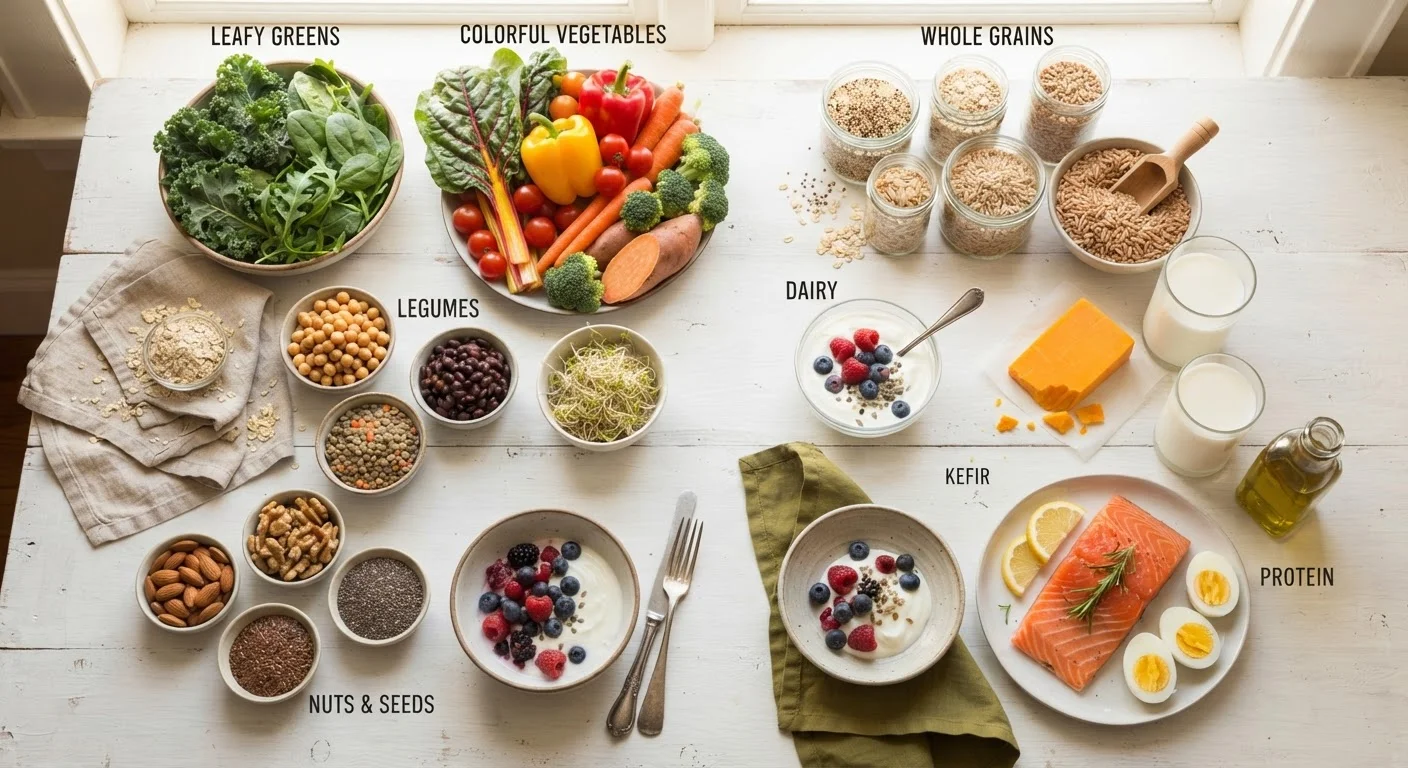
- Prioritize whole foods. Minimally processed vegetables, fruits, legumes, whole grains, lean proteins, and healthy fats consistently outperform isolated supplements in supporting overall health.
- Don't neglect hydration. Water supports every metabolic process and becomes more important - and harder to self-regulate - as you age.
- Watch for gaps, not just excesses. Nutritional deficiency can be as consequential as overconsumption. Routine blood work can identify shortfalls in vitamin D, B12, iron, and other key nutrients.
- Revisit your approach at each major transition. Life changes - new job, parenthood, menopause, retirement - often shift eating habits and activity levels simultaneously.
Nutrition Is Just One Piece of the Puzzle
Diet and physical activity work synergistically throughout life. Movement supports metabolic health, bone density, and muscle mass in ways that nutrition alone cannot replicate. Explore our fitness hub for guidance on staying active at every stage of adulthood.
No single dietary approach works for everyone. Individual health conditions, medications, cultural food practices, and economic constraints all shape what is realistic and appropriate. A registered dietitian can translate the general principles in this article into a practical, personalized plan suited to your current life stage and health history.
This article is for general informational and educational purposes only and is not a substitute for professional medical or dietary advice. Consult a qualified healthcare provider or registered dietitian before making significant changes to your diet, especially if you have existing health conditions or take medications.