

Key Takeaways
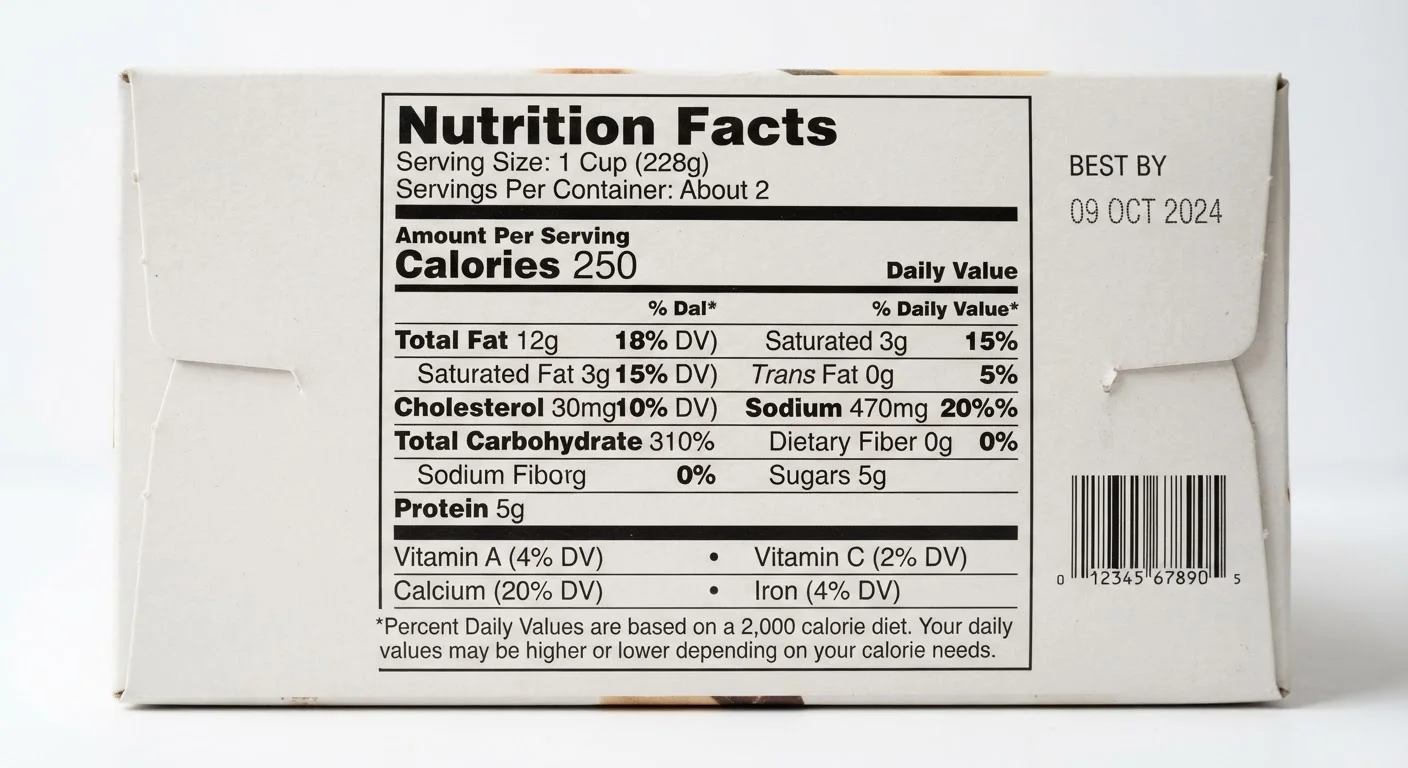
- Serving size is the foundation of the label - all other numbers are based on it.
- % Daily Value tells you how much a nutrient one serving contributes toward daily recommended intake.
- Prioritize limiting saturated fat, sodium, and added sugars; aim for adequate fiber and key vitamins.
- Ingredients are listed by weight, heaviest first - useful for spotting dominant ingredients.
- Labels follow a standardized FDA format, making them comparable across products.
What you will need
Why the Nutrition Facts Label Looks the Way It Does
The Nutrition Facts label is a regulatory requirement set by the U.S. Food and Drug Administration (FDA). Its current format - updated in 2016 and phased in by 2021 - was redesigned to reflect updated nutrition science and to make the most important information easier to find at a glance. Key changes from the original format include larger print for calories and serving sizes, a mandatory line for added sugars, and updated %DV calculations based on revised dietary reference values.
Because the format is standardized, every packaged food in the US follows the same structure. That consistency is the label's greatest strength: once you understand how to read one, you can read them all. If you're new to thinking about what you eat more broadly, Everyday Nutrition: A Practical Starting Point for US Adults offers useful grounding before diving into label details.
Labels Are a Tool, Not a Verdict
Nutrition Facts labels provide general dietary information based on a 2,000-calorie daily diet. Individual needs vary based on age, activity level, health conditions, and other factors. Use this information as a guide and consult a registered dietitian or healthcare provider for personalized nutrition advice.
Putting Label Reading Into Practice
Understanding individual sections of a label is one skill; using that information across a full shopping trip is another.
What you will need
When reviewing labels, consider the overall nutritional pattern rather than fixating on a single number. A food high in sodium might still fit within a balanced diet if consumed occasionally or in small amounts. Context matters.
Watch for Multiple Servings Per Package
A package that looks like a single portion may contain two or three servings. If you eat the whole container, multiply every number on the label accordingly. This is one of the most common sources of confusion when estimating calorie or nutrient intake.
For help applying these skills in a real grocery store context, see Grocery Shopping with Nutrition in Mind.
This article is for general informational and educational purposes only and is not a substitute for professional medical or dietary advice. Individual nutritional needs vary. Consult a qualified healthcare provider or registered dietitian for guidance specific to your health situation.