

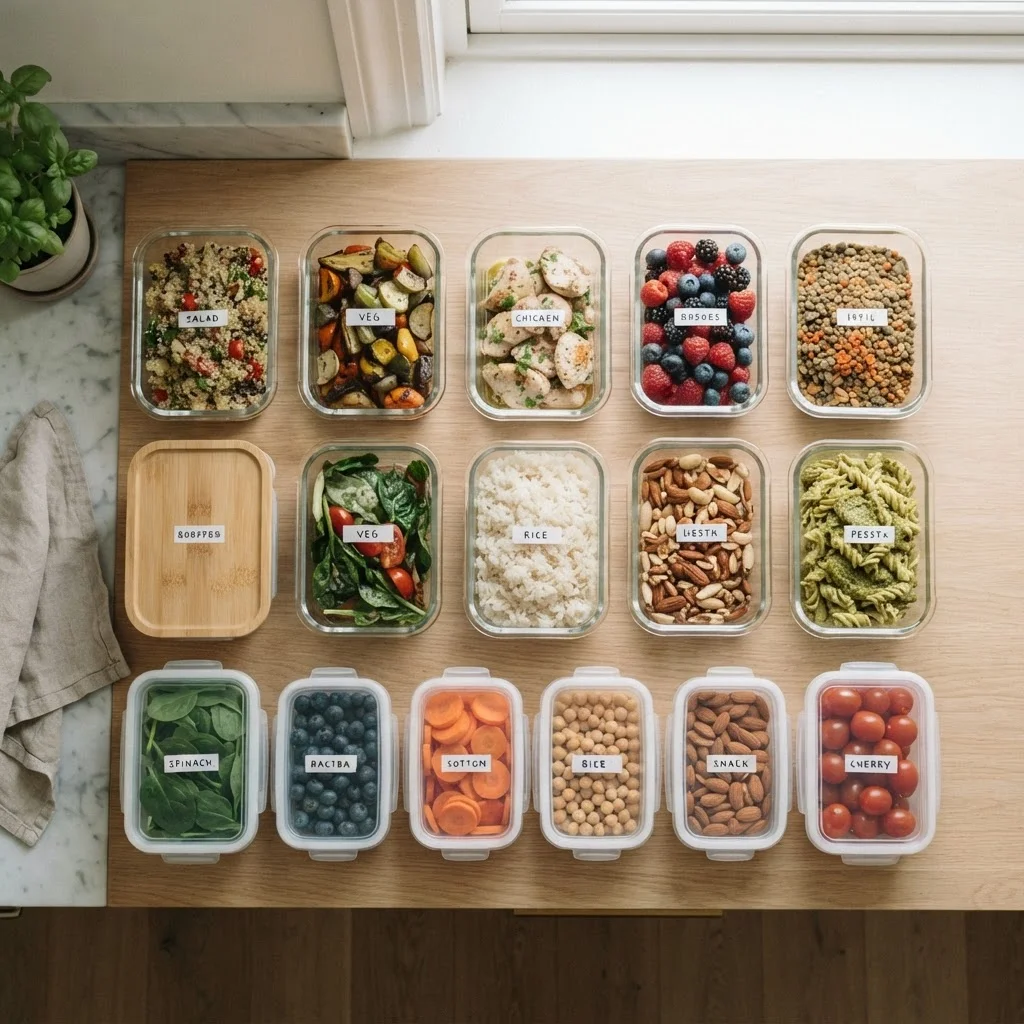
Key Takeaways
- Glass is heavier and pricier upfront but resists stains, odors, and chemical leaching.
- Plastic containers are lightweight and affordable but degrade with heat and wear over time.
- Neither material is universally superior - the right choice depends on your specific use case.
- A mixed approach, using both materials for different tasks, works well for most households.
- Look for BPA-free labels on plastic and tempered glass on glass containers for safer everyday use.
Our Verdict
Glass and plastic each fill a distinct role in a functional kitchen. Glass earns its place for hot foods, meal prep, and long-term storage; plastic is practical for packed lunches, travel, and lightweight everyday use. Most households benefit from keeping both on hand rather than committing to one material.
| Best for | Recommended |
|---|---|
| Meal preppers and those reheating food in containers | Glass |
| On-the-go lunches, travel, and kid-friendly storage | Plastic |
| Storing acidic or strongly scented foods long-term | Glass |
| Those prioritizing low upfront cost and lightweight handling | Plastic |
The Core Trade-Off: Durability vs. Practicality
When it comes to storing food at home, plastic and glass represent genuinely different philosophies. Glass is durable in the sense that it doesn't absorb odors, stains, or residue - a container used for tomato sauce looks and smells clean after washing. Plastic, by contrast, is durable in a physical sense: it won't shatter if dropped, which matters in busy kitchens or homes with children.
Tempered glass containers are oven-safe and handle temperature swings well, while plastic can warp or leach chemicals when exposed to high heat - particularly in the microwave or dishwasher. Over time, plastic also scratches, which creates microscopic grooves where bacteria can accumulate. Glass maintains a smooth, non-porous surface indefinitely.
That said, glass is heavier and breakable. A full glass container can be cumbersome, and breakage - especially on tile floors - is a real concern. Plastic remains the more forgiving material in physically demanding situations.
| Criterion | Glass | Plastic | |
|---|---|---|---|
| Upfront cost | Higher | Lower | |
| Weight | Heavy | Lightweight | |
| Microwave safety | Safe (check label) | Varies; may leach chemicals | |
| Odor and stain resistance | Excellent | Moderate; stains over time | |
| Break risk | Breaks if dropped | Crack-resistant | |
| Lifespan | Very long if unbroken | Shorter; degrades with use | |
| Environmental footprint | Fully recyclable | Limited recyclability | |
| Best use case | Leftovers, meal prep, reheating | Packed lunches, travel, kids |
Safety Considerations You Should Know
The safety conversation around plastic storage often centers on BPA, a chemical used in some plastics that has raised health concerns. Many manufacturers have shifted to BPA-free plastics, though researchers continue to study whether some BPA substitutes carry their own risks. The general consensus from health agencies is that BPA-free plastic used as directed poses low risk to most adults, but uncertainty remains - particularly for pregnant individuals and young children.
Glass doesn't carry these concerns. It is chemically inert and doesn't interact with food regardless of temperature, acidity, or storage duration. For this reason, many nutritionists and dietitians favor glass for storing acidic foods like tomatoes, citrus, and fermented items.
How to Check Plastic Container Safety
Look for the recycling symbol on the bottom of plastic containers. Numbers 2, 4, and 5 are generally considered safer for food storage. Containers marked with number 7 may contain BPA or other compounds worth avoiding, especially for hot foods. When in doubt, opt for glass for anything you plan to microwave.
It's worth noting that no storage container - plastic or glass - should be used indefinitely without inspection. Cracked glass and scratched, discolored, or warped plastic containers should be replaced. For more on building a well-stocked household, see our guide on restocking household essentials.
Cost, Environmental Impact, and Everyday Use
Plastic containers are significantly less expensive upfront. A set of mixed-size plastic containers typically costs a fraction of an equivalent glass set. However, plastic containers often need replacing more frequently due to warping, staining, and lid degradation - which can close the cost gap over time.
From an environmental standpoint, glass is endlessly recyclable and doesn't shed microplastics. Plastic containers, even when recycled, have a more limited end-of-life pathway. If reducing household waste is a priority, glass tends to align better with that goal. For a broader look at how disposable and reusable goods compare at home, see paper products vs. reusables.
90%+
Glass recyclability rate
Glass is one of the few materials that can be recycled indefinitely without loss of quality, according to the Glass Packaging Institute.
~5-7 years
Typical plastic container lifespan
Consumer product guides generally recommend replacing plastic food storage containers every five to seven years, or sooner if warping, staining, or scratching is visible.
For packed lunches, travel, or anything leaving the house, plastic wins on practicality. It's lighter in a bag and far less likely to cause a mess if a lid pops. For refrigerator and freezer storage, pantry organization, and reheating, glass generally performs better and requires less upkeep.
A pragmatic approach for most households is to keep a core set of glass containers for daily cooking and leftovers, and a smaller set of plastic containers for portability. That split covers most scenarios without fully committing to either material.