

Key Takeaways
- Gap insurance covers the difference between your car's actual cash value and your remaining loan or lease balance after a total loss.
- New vehicles can depreciate 15-25% in the first year, creating a financial gap almost immediately after purchase.
- Gap insurance is most relevant for buyers who made a small down payment, financed over a long term, or leased their vehicle.
- Standard collision and comprehensive coverage do not pay off your loan - they only reimburse the car's market value.
- Gap coverage is available through auto insurers, dealerships, and lenders, but costs and terms vary.
Gap Insurance
Gap insurance - short for Guaranteed Asset Protection - is an optional auto insurance add-on that covers the difference between what your car is worth at the time of a total loss and what you still owe on your loan or lease. Standard collision and comprehensive coverage only pay out the vehicle's current market value, which can be significantly less than your remaining balance. Gap insurance bridges that financial shortfall so you aren't left paying out of pocket for a car you can no longer drive.
Gap coverage is typically calculated as the difference between the insurer's actual cash value (ACV) payout and the outstanding loan or lease balance, minus your deductible in some policies.
The Depreciation Problem Gap Insurance Solves
The moment a new car leaves a dealership, its market value begins to drop. Vehicles can lose a meaningful portion of their value within the first year alone, while loan balances decrease much more slowly - especially in the early months when payments are weighted toward interest. This creates a period where you owe more than the car is worth, a situation commonly called being "underwater" or "upside-down" on a loan.
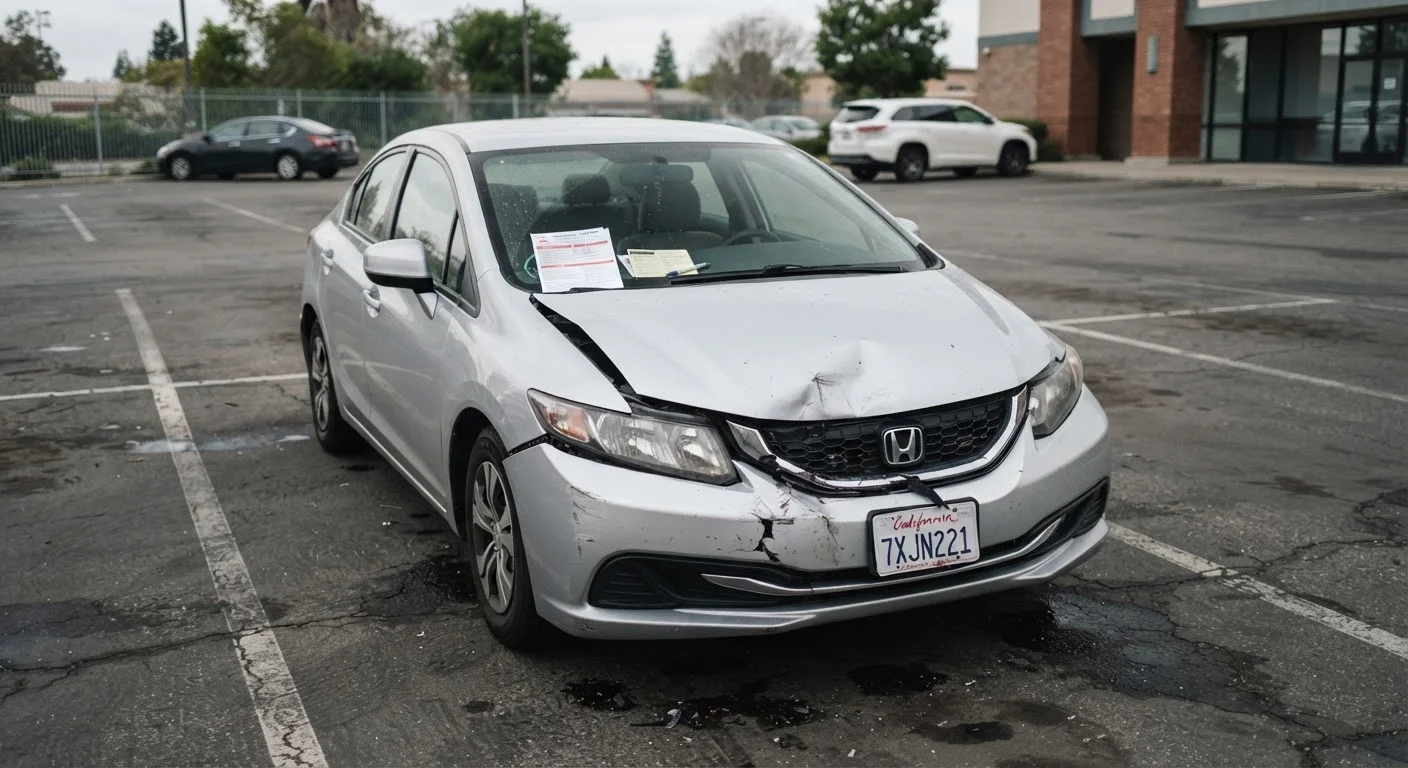
If your vehicle is declared a total loss during this window - whether from a collision, theft, flood, or another covered event - your standard insurance policy pays only the car's actual cash value (ACV) at that moment. That figure reflects depreciation, not what you originally paid or what you still owe. The remaining loan balance is still yours to pay.
For a practical sense of the stakes: if you owe $28,000 on a vehicle your insurer values at $22,000, you're left with a $6,000 shortfall - even before accounting for a deductible. Gap insurance is designed to absorb that difference. To understand how this fits within a broader policy, see our overview of auto insurance components.
15-25%
First-year vehicle depreciation range
Industry estimates suggest new vehicles commonly lose this share of their value within the first 12 months of ownership.
~30%
New car buyers who are underwater on their loan
Automotive industry analysts have consistently found that a significant share of financed vehicle owners owe more than their car's market value at any given time.
Who Gap Insurance Is Most Relevant For
Not every car owner needs gap coverage, but certain financing and purchasing patterns make it worth serious consideration.
- Small or no down payment: If you put down less than 20%, your loan balance likely exceeds the car's value from day one.
- Long loan terms: Financing over 60, 72, or 84 months means your balance shrinks slowly, extending the window of negative equity.
- Leasing: Many leases require gap coverage, and some build it in automatically - but confirm either way.
- High-depreciation vehicles: Some models lose value faster than average, widening the gap more quickly.
- Rolled-over debt: If you carried a balance from a previous loan into your current one, you may start underwater immediately.
If none of these apply - say, you made a large down payment and are well into a short-term loan - your remaining balance may already be below your car's market value, making gap insurance unnecessary.
Check Your Loan Balance Before Buying Gap Coverage
Before purchasing gap insurance, request a payoff quote from your lender and compare it to your vehicle's current market value using a reputable valuation resource. If your loan balance is already below the car's value, gap coverage may not provide meaningful protection. Revisit this calculation periodically - especially after making larger payments.
Where to Get Gap Coverage and What to Watch For
Gap insurance can be purchased from three main sources: your auto insurer, the dealership, or the lender financing your vehicle. Each comes with different cost structures and terms.
Through your insurer is generally the most cost-effective route. It's added as an endorsement to an existing policy with comprehensive and collision coverage, and can usually be canceled at any time without penalty.
Through a dealership or lender, gap coverage is often rolled into your loan - meaning you pay interest on it over time. This can make it significantly more expensive in total, even if the upfront cost seems modest.
Regardless of source, read the terms carefully. Some policies cap the payout at a percentage above ACV, exclude certain vehicle types, or decline to cover deductibles. Knowing these details before a claim is far better than discovering them after.
For a broader look at the kinds of coverage gaps that surface after accidents, our article on common coverage gaps covers what drivers frequently overlook. You may also find it useful to compare comprehensive vs. collision coverage to understand the base policies that gap coverage works alongside.
This article is for general informational purposes only and does not constitute personalized insurance or financial advice. Coverage terms, eligibility, and costs vary by provider and individual circumstances. Consult a licensed insurance agent or financial adviser to evaluate options appropriate to your situation.