

| Payment History Weight | 35% (FICO scoring model) |
| Credit Utilization Weight | 30% (FICO scoring model) |
| Length of Credit History Weight | 15% (FICO scoring model) |
| Credit Mix Weight | 10% (FICO scoring model) |
| New Credit (Inquiries) Weight | 10% (FICO scoring model) |
| FICO Score Range | 300-850 (myFICO.com) |
Why These Five Factors Matter
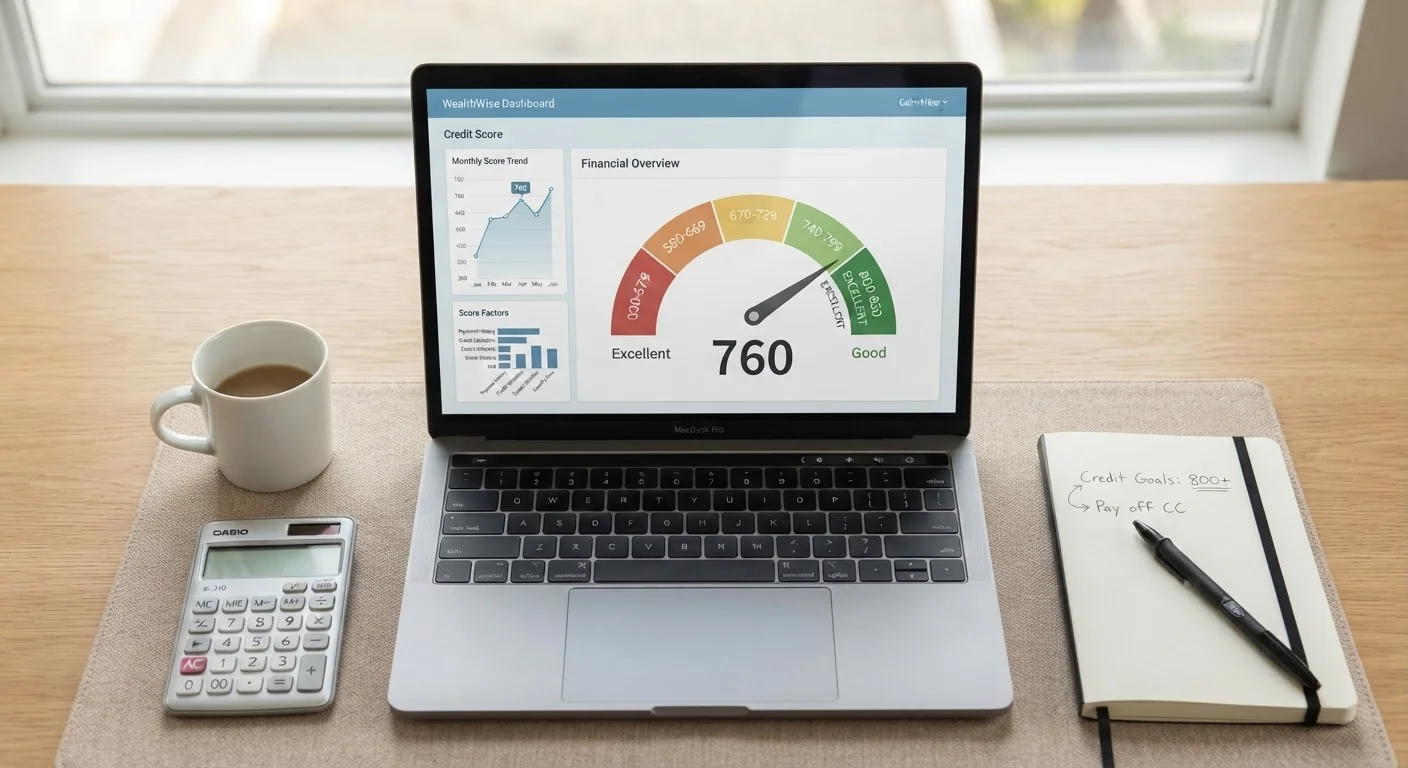
Your credit score is a three-digit number - typically ranging from 300 to 850 under the FICO model - that lenders use to estimate how likely you are to repay debt. A higher score generally means better loan terms and lower interest rates. Understanding exactly what feeds into that number gives you a concrete target for improvement.
The FICO model breaks your score into five weighted categories. They are not equal - some carry far more influence than others. Knowing the breakdown helps you prioritize where your effort will have the most impact.
| Payment History Weight | 35% (FICO scoring model) |
| Credit Utilization Weight | 30% (FICO scoring model) |
| Length of Credit History Weight | 15% (FICO scoring model) |
| Credit Mix Weight | 10% (FICO scoring model) |
| New Credit (Inquiries) Weight | 10% (FICO scoring model) |
| FICO Score Range | 300-850 (myFICO.com) |
Factor 1: Payment History (35%)
This is the single most influential factor. Lenders want to know whether you pay on time. Every on-time payment reinforces a positive record; a single missed payment - especially one 30 or more days late - can cause a meaningful score drop.
Late payments, collections, bankruptcies, and charge-offs all appear here and can stay on your report for up to seven years (bankruptcy up to ten). The good news: the further in the past a negative mark is, the less it typically weighs on your current score.
Scores Vary by Model and Bureau
FICO and VantageScore are the two most widely used scoring models, and each bureau - Equifax, Experian, and TransUnion - may report slightly different data. Your score can vary across models and bureaus. The five factors below reflect the FICO scoring framework, which most lenders currently use.
Factor 2: Credit Utilization (30%)
Credit utilization is the percentage of your total revolving credit limit that you're currently using. For example, a $2,000 balance on a $10,000 limit equals 20% utilization. Lower is generally better - many financial educators suggest keeping it under 30%, though lower ratios tend to produce better outcomes.
Utilization is calculated both per card and across all revolving accounts combined. Paying down balances - or requesting a credit limit increase without increasing spending - can reduce this ratio quickly. For a deeper look at managing this ratio, see how credit utilization works.
Factors 3, 4 & 5: History, Mix, and New Credit
Length of Credit History (15%): The longer your accounts have been open, the better - scoring models consider the age of your oldest account, your newest account, and the average age of all accounts. This is why closing old credit cards can sometimes hurt your score, even if you no longer use them.
Credit Mix (10%): Lenders like to see that you can manage different types of credit responsibly - revolving accounts like credit cards and installment accounts like auto loans or mortgages. You don't need one of every type; this factor is a modest bonus, not a mandate.
New Credit and Inquiries (10%): Each time you apply for credit, lenders typically request a hard inquiry, which can temporarily lower your score by a few points. Multiple applications in a short window signal risk to lenders. Rate-shopping for mortgages or auto loans within a short period is generally treated as a single inquiry by scoring models. Learn more about the difference between hard and soft inquiries and their real impact.
Before submitting any application, it's worth reviewing a credit readiness checklist to make sure your profile is in strong shape first. And if you're sorting out common misconceptions - like whether checking your own score hurts it - credit score myths worth knowing can clear those up.
35%
Share of FICO score tied to payment history
According to FICO, payment history is the single largest factor in the standard FICO Score calculation.
65%
Score driven by just two factors
Payment history (35%) and credit utilization (30%) together account for nearly two-thirds of a FICO score.
This article is for general informational purposes only and does not constitute personalized financial or legal advice. Consult a qualified financial professional for guidance specific to your situation.