

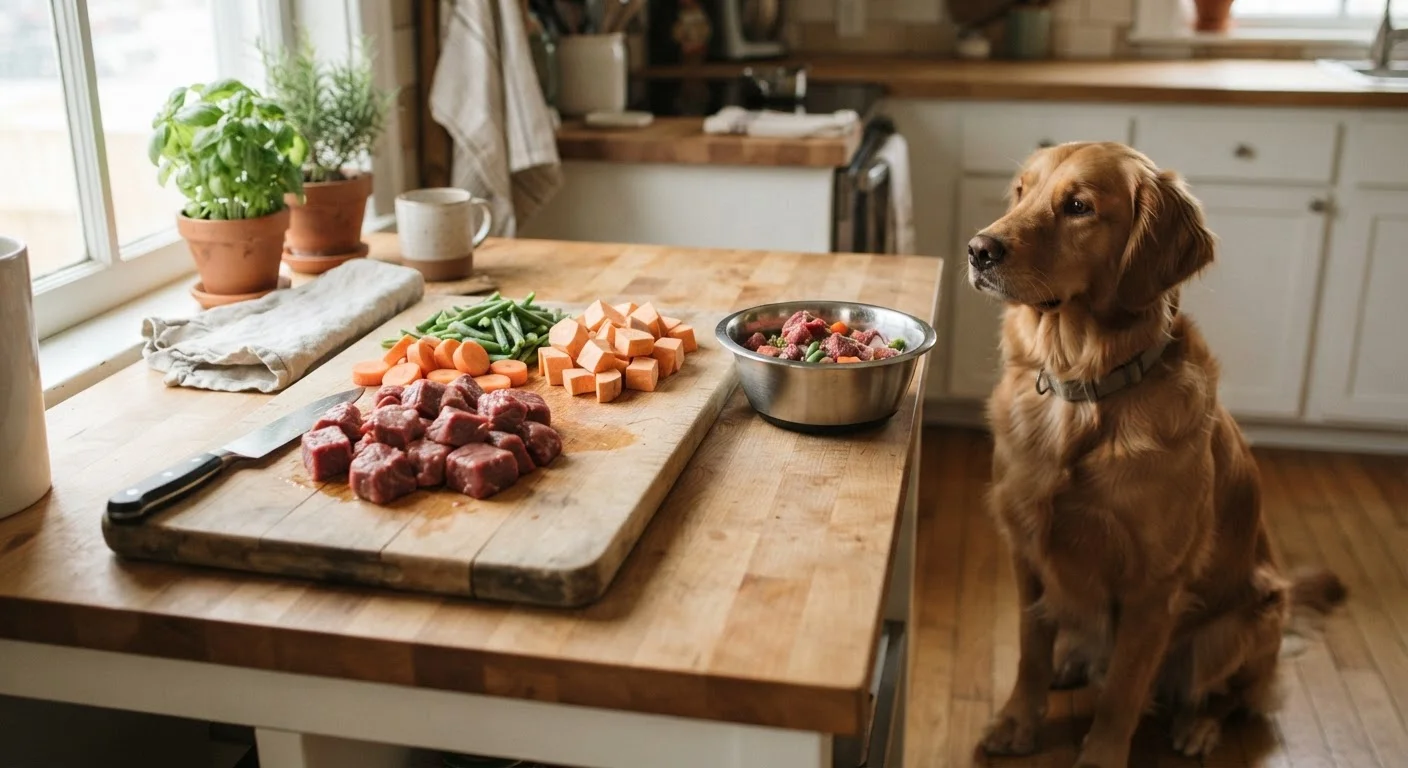
Key Takeaways
- Raw diets carry documented pathogen risks, including Salmonella and E. coli, for both pets and their owners.
- Current evidence does not consistently support claimed benefits like shinier coats or improved digestion over balanced commercial diets.
- Most major veterinary organizations advise against raw feeding, particularly for households with immunocompromised individuals.
- Nutritional imbalances are common in homemade raw diets and can cause serious long-term health problems.
- If you choose raw feeding, consulting a board-certified veterinary nutritionist is strongly recommended.
Why Raw Feeding Sparks Such Strong Opinions
Few topics in pet nutrition generate more passionate debate than raw feeding. Proponents argue it mirrors what dogs and cats would eat in the wild, delivering fresher nutrients and producing visibly healthier animals. Critics - including most veterinary professional bodies - point to documented pathogen risks and consistent evidence of nutritional imbalance in homemade formulations.
The truth, as research increasingly shows, sits somewhere between enthusiastic advocacy and outright dismissal. Understanding what the evidence actually supports - and where gaps remain - is the most useful starting point for any pet owner. For a broader foundation, see our guide on what goes into a balanced diet for dogs and cats.
Myth
Raw diets are more 'natural' for dogs and cats, so they must be healthier.
Fact
Domesticated pets have evolved alongside humans for thousands of years, and 'natural' does not automatically mean nutritionally complete or safe.
The appeal to nature argument is compelling but misleading. Domestic dogs have undergone significant genetic changes from their wolf ancestors - including adaptations to digest starch - making a strict ancestral diet comparison less relevant than it first appears. Studies published in veterinary nutrition journals note that wild animals also suffer from parasites, nutritional deficiencies, and shortened lifespans. A diet being 'natural' does not establish that it meets the specific nutritional needs of a healthy domestic pet.
Myth
Raw feeding is proven to produce shinier coats and better digestion.
Fact
Anecdotal reports are common, but controlled clinical research has not consistently demonstrated these outcomes compared to balanced commercial diets.
Many owners report visible improvements after switching to raw, and these experiences are genuine. However, improvement may reflect moving away from a poor-quality previous diet rather than raw feeding being inherently superior. Well-controlled comparative studies are limited, and existing research has not established raw diets as definitively better for coat condition or gastrointestinal health than high-quality commercial alternatives formulated to meet established nutritional guidelines.
Myth
Dogs' stomach acid kills any bacteria in raw meat, so pathogen risk is minimal.
Fact
Pets can harbor and shed pathogens like Salmonella without showing illness, creating real risks for humans in the household.
While dogs and cats may tolerate certain bacterial loads that would sicken a human, they are not immune to all raw-meat pathogens, and they can act as silent carriers. Research has documented Salmonella, Listeria, and E. coli in commercial raw pet food products and in the feces of pets fed raw diets. The public health risk - especially to immunocompromised household members - is the primary reason major veterinary organizations maintain cautionary positions.
Myth
Homemade raw diets are easy to balance with a little research.
Fact
Studies consistently find that most homemade raw recipes - including those from popular books and websites - fail to meet established nutritional standards.
Nutritional analysis of homemade raw diet recipes has repeatedly shown deficiencies in calcium, zinc, vitamin D, and other essential micronutrients. Achieving true balance requires precise formulation, appropriate supplementation, and ideally oversight from a board-certified veterinary nutritionist. Feeding an imbalanced diet long-term can contribute to skeletal problems, immune dysfunction, and organ issues - consequences that may not be visible until significant damage has occurred.
Myth
Cooking destroys all the nutrients in pet food, making raw superior.
Fact
While heat affects some nutrients, reputable commercial manufacturers account for this through formulation and supplementation to meet established nutritional profiles.
It is true that high-temperature processing degrades certain vitamins and enzymes. However, responsible commercial pet food producers test finished products and adjust formulations to ensure nutritional adequacy. The relevant question is not whether any nutrient is altered, but whether the final product meets a pet's actual requirements - something assessed through feeding trials and nutritional analysis. Raw food is not automatically more bioavailable across all nutrients.
What Veterinary Bodies Currently Recommend
The American Veterinary Medical Association (AVMA), the American Animal Hospital Association (AAHA), and the British Veterinary Association have all issued position statements discouraging raw protein diets, primarily due to food safety concerns. Their guidance is particularly firm for homes with young children, elderly individuals, pregnant people, or anyone with a compromised immune system - groups at elevated risk from bacterial pathogens shed in pet feces or present on raw food surfaces.
Higher Risk Households Should Take Extra Care
If anyone in your home is pregnant, under age five, elderly, or living with a condition that affects immune function, veterinary and public health bodies advise particular caution around raw pet food. Pathogens can spread through contact with food prep surfaces, pet dishes, and pet feces. Discuss the risks with both your physician and your veterinarian before proceeding.
This doesn't mean every veterinarian dismisses raw feeding outright, and some board-certified veterinary nutritionists work with pet owners to design safer, balanced raw protocols. But official consensus currently leans toward caution. If you're weighing raw against other options, our raw diet vs. commercial kibble comparison outlines the core tradeoffs clearly.
~74%
Raw pet food products testing positive for pathogens
A review of studies found that approximately 74% of raw dog food samples tested positive for Salmonella, compared to far lower rates in commercial dry foods, according to published veterinary food safety literature.
95%+
Homemade raw recipes lacking nutritional balance
Multiple independent nutritional analyses of popular homemade raw diet recipes found that the vast majority did not meet minimum nutritional guidelines established by the Association of American Feed Control Officials (AAFCO).
Making an Informed Choice for Your Pet
Deciding how to feed your pet is ultimately a personal decision - but it should be an informed one. Homemade raw diets in particular are frequently found to be deficient in key nutrients like calcium, phosphorus, and specific vitamins when analyzed by researchers. Commercial raw diets vary widely in quality and testing standards, making label scrutiny essential.
Avoiding common nutrition mistakes matters regardless of what diet style you choose. Our article on things new pet owners get wrong about nutrition covers frequent missteps that apply across feeding styles. If you do pursue raw feeding, working with a board-certified veterinary nutritionist (DACVN) rather than relying on online formulations is the most responsible path forward.
This article is for general informational and educational purposes only and does not constitute veterinary or medical advice. Always consult a licensed veterinarian or board-certified veterinary nutritionist before making significant changes to your pet's diet.