

| Smoke detector battery replacement | Twice per year (spring and fall) (U.S. Fire Administration general guidance) |
| HVAC filter replacement frequency | Every 1-3 months depending on filter type and household conditions |
| Water heater flush frequency | Once per year to reduce sediment buildup |
| Dryer vent cleaning frequency | At least once per year; more often with heavy use (U.S. Consumer Product Safety Commission general guidance) |
| Gutter cleaning frequency | Twice per year: spring and late fall |
Why a Seasonal Maintenance Approach Pays Off
Homes deteriorate in predictable patterns. Gutters clog in fall, pipes freeze in winter, AC filters clog in summer. Treating maintenance as a seasonal rhythm - rather than a reaction to problems - catches small issues before they become costly repairs.
This also makes budgeting more straightforward. When you know roughly what each season demands, you can set aside funds ahead of time instead of absorbing surprise expenses. For a broader look at managing household spending, see the budgeting hub.
| Smoke detector battery replacement | Twice per year (spring and fall) (U.S. Fire Administration general guidance) |
| HVAC filter replacement frequency | Every 1-3 months depending on filter type and household conditions |
| Water heater flush frequency | Once per year to reduce sediment buildup |
| Dryer vent cleaning frequency | At least once per year; more often with heavy use (U.S. Consumer Product Safety Commission general guidance) |
| Gutter cleaning frequency | Twice per year: spring and late fall |
Season-by-Season Maintenance Checklist
Spring
- Inspect the roof and gutters after winter weather. Look for missing or lifted shingles, and clear any debris from gutters and downspouts.
- Check the exterior foundation for cracks that may have widened during freeze-thaw cycles.
- Service HVAC systems. Replace air filters and schedule a professional tune-up before cooling season demand peaks.
- Test smoke and CO detectors. Replace batteries if needed - do this every spring and fall.
- Inspect window and door seals. Cracked caulk or worn weatherstripping lets conditioned air escape and drives up energy costs.
Summer
- Flush the water heater to clear sediment buildup, which reduces efficiency over time.
- Inspect and clean dryer vents. Lint accumulation is a leading cause of household fires.
- Check outdoor faucets and hoses for leaks. Even a slow drip wastes significant water over a season.
- Trim trees and shrubs away from the house to reduce moisture retention against siding and prevent pest entry points.
Fall
- Clean and inspect gutters again after leaves drop. Clogged gutters can cause ice dams in winter.
- Service the heating system before temperatures drop. Replace furnace filters and bleed radiators if you have a hot-water system.
- Seal gaps around pipes and utility lines entering the house - these are primary entry points for rodents seeking warmth.
- Store outdoor furniture and hoses to prevent freeze damage.
When to Call a Professional
Roof work, electrical panel inspections, and gas appliance servicing carry real safety risks when performed by untrained individuals. If a task involves working at height, live electrical systems, or gas lines, consult a licensed contractor. Many municipalities also require permits for structural or electrical work - doing it yourself without proper permits can create complications when selling the home.
Winter
- Know where your main water shutoff is. In a pipe burst, every second counts.
- Keep cabinet doors open under sinks on exterior walls during freezing snaps to let warm air circulate around pipes.
- Check attic insulation and ventilation to reduce ice dam risk and heating bills.
- Stock emergency supplies: flashlights, batteries, bottled water, and a basic first-aid kit. See our guide on stocking a home medicine cabinet for the medical side of preparedness.
Core Tools and Supplies to Keep on Hand
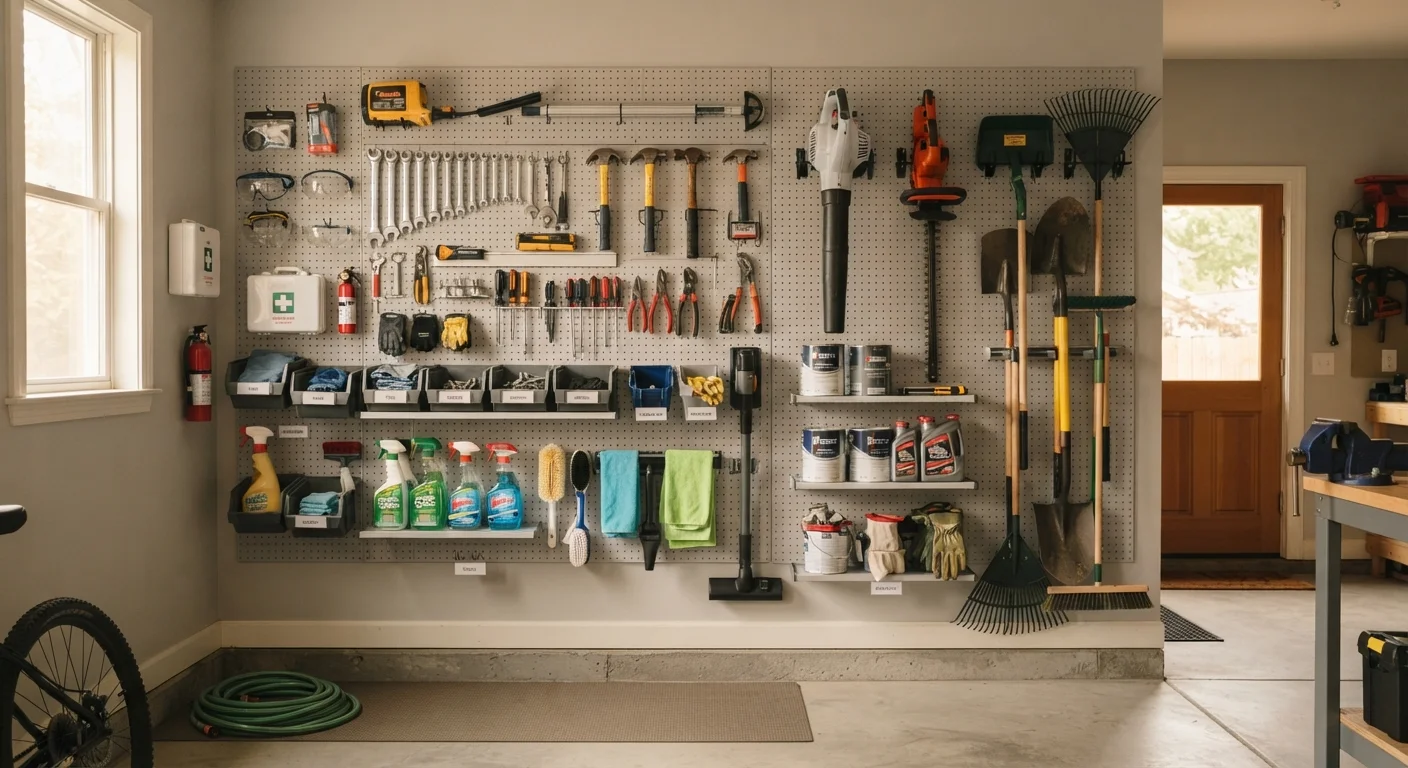
A well-stocked toolkit reduces the gap between noticing a problem and addressing it. You don't need a professional-grade workshop - a practical baseline covers most household needs.
Ice dam
A ridge of ice that forms at a roof's edge when heat escaping from the attic melts snow, which then refreezes in colder eave areas. Ice dams can force water under shingles, causing interior leaks.
Weatherstripping
Material applied around the edges of doors and windows to seal gaps that allow air and moisture infiltration. It degrades over time and typically needs replacement every few years.
PTFE tape
Also called plumber's tape or thread seal tape, this thin white tape is wrapped around pipe threads to create a watertight seal when joining plumbing fittings.
Freeze-thaw cycle
The repeated process of water seeping into cracks or materials, freezing and expanding, then thawing. Over multiple cycles, this can widen cracks in foundations, driveways, and masonry.
Basic hand tools: hammer, flathead and Phillips screwdrivers, adjustable wrench, needle-nose pliers, tape measure, and a utility knife handle the majority of minor repairs and adjustments.
Drain and plumbing basics: a plunger, drain snake, and plumber's tape (PTFE tape) are inexpensive items that resolve many common issues without a service call.
Caulk and sealants: silicone caulk for wet areas, paintable latex caulk for trim and windows. Applying fresh caulk is one of the highest-return maintenance tasks a homeowner can do.
Cleaning and maintenance supplies: white vinegar, baking soda, and a microfiber mop handle a wide range of floor and surface types without harsh chemicals.
Tracking when you last replaced filters, tested detectors, or serviced appliances makes it easier to stay consistent. Strategies for keeping household supplies from running out unexpectedly are covered in our piece on restocking essentials before you run out.
If you're also keeping a vehicle maintained on a schedule, the routine car maintenance calendar follows a similar season-aware approach.