

Key Takeaways
- Buying in bulk before knowing your actual usage rate is one of the most common and costly new-homeowner mistakes.
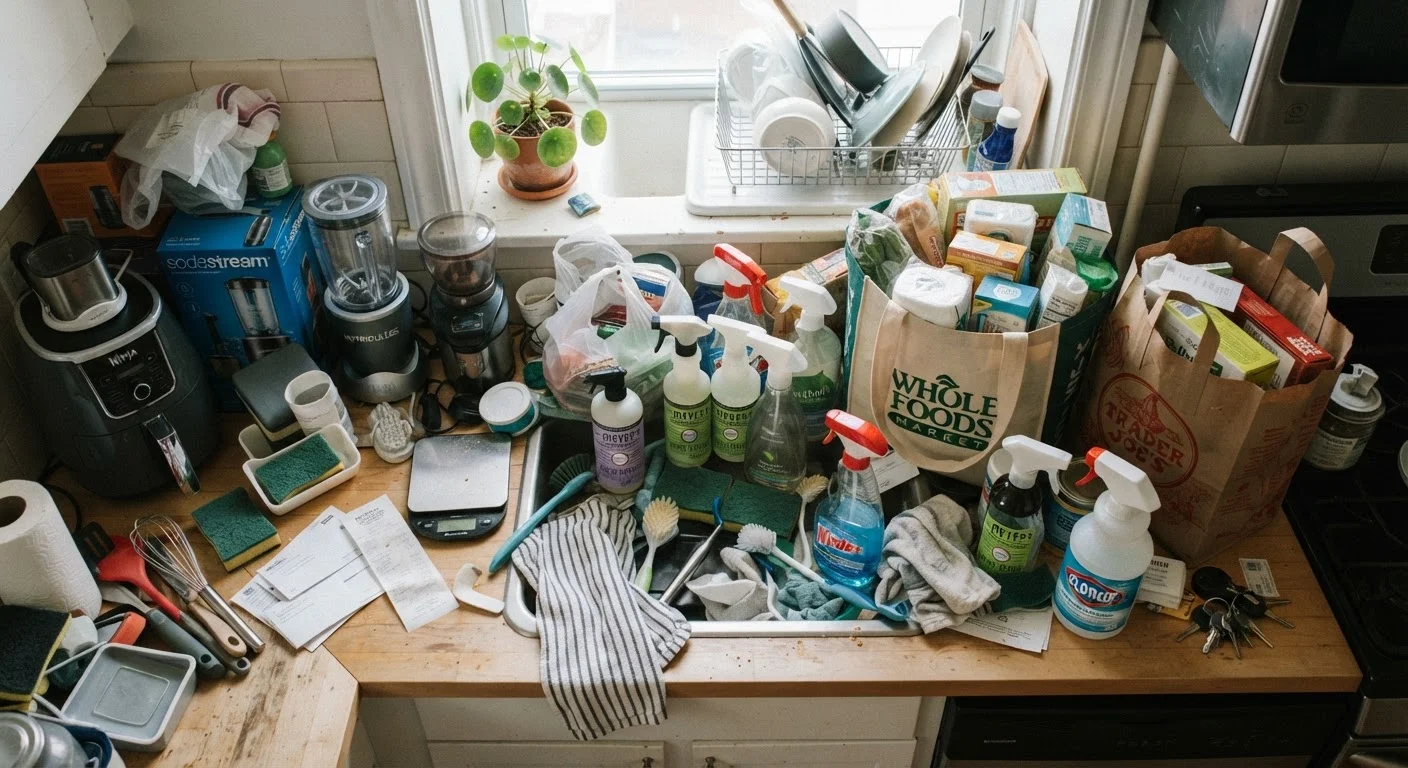
- Duplicate cleaning products often go unused because most surfaces share just a few effective solutions.
- Skipping practical essentials like a basic toolkit or first-aid kit creates real gaps that cost more to fix later.
- A room-by-room needs audit before shopping prevents impulse overbuy and keeps the budget intact.
The Spending Trap That Catches New Homeowners Off Guard
Moving into a new home triggers an instinct to stock up on everything at once. The blank slate of empty cabinets feels urgent, and the assumption that you need to be fully prepared from day one pushes many new homeowners into overspending before they even unpack. The reality is that most of this spending is reactive and poorly targeted - driven more by the feeling of being unprepared than by actual household needs.
Understanding where money gets wasted isn't just useful for trimming your first month's expenses. It also shapes smarter long-term habits. If you're thinking about how this fits into your broader finances, managing a household budget effectively is a worthwhile framework to revisit once you're settled in.
Buying in bulk before knowing your actual consumption rate.
Why it happens: Bulk purchases feel economical and responsible, especially when you're stocking an empty home. New homeowners often assume they'll use large quantities of everything.
Purchasing multiple specialized cleaning products that overlap in function.
Why it happens: Marketing tends to suggest a different product for every surface - counters, glass, floors, stainless steel. It's easy to buy each one thinking you need the full set.
Skipping basic practical tools like a multi-bit screwdriver, hammer, and measuring tape.
Why it happens: These feel optional when you're focused on bigger purchases. New homeowners often assume they'll borrow or manage without until a need arises.
Overstocking perishable or semi-perishable household supplies that expire or degrade.
Why it happens: Cleaning wipes, batteries, adhesive products, and similar items have shelf lives that aren't always obvious. Buying large quantities feels like savings but can result in waste.
Buying specialty organizational storage before knowing how the space is actually used.
Why it happens: Storage products are visually appealing and feel productive to buy. New homeowners often purchase bins, drawer dividers, and shelf organizers before furniture is placed or routines established.
What Actually Matters vs. What Feels Necessary
The distinction between a genuine household essential and a feel-good purchase is easy to blur when you're standing in a store aisle with an empty home waiting. Many new homeowners buy specialty tools, redundant cleaning products, or décor items before they've learned what their space actually demands.
A more useful approach: spend the first two weeks in the home before making any non-urgent purchases. You'll quickly discover which supplies you reach for, which rooms generate the most cleaning, and where the real gaps are. Our guide on cleaning supplies most households overlook covers the practical items that earn their place - which is a shorter list than most people expect.
For kitchens especially, resist the urge to fully equip before you've cooked a few meals. What a functional kitchen actually needs may be significantly less than what a fully stocked display shelf suggests.
Avoid Locking In Big Purchases Too Early
Large organizational systems, specialty appliances, and bulk supply orders made in the first week are frequently regretted once you understand how your household actually operates. Purchases made under the pressure of a new space often don't match real usage. Give yourself time to observe before you commit.
Building a Smarter Restocking Habit
Once you've identified what your household actually consumes, the next challenge is staying stocked without overshooting. Many new homeowners swing from overbuy to run-out because they haven't yet developed a system for tracking consumption. Running out of dish soap or laundry detergent in week three is a predictable result of no tracking - not bad luck.
A simple approach: keep a running list (a notepad on the fridge or a shared phone note works fine) and add items when they hit roughly a quarter remaining. This prevents both the panic-buy in bulk and the empty-cabinet scramble. For a structured method, restocking essentials before you run out offers practical strategies worth adopting early.
Before any larger non-routine purchase, it also helps to run a basic self-check. A pre-purchase checklist for smarter spending covers the key questions - need versus want, return policies, and timing - that prevent the regret purchases new homeowners often make in the first few months.
~40%
Of household supplies that go unused within 6 months
Consumer behavior research consistently finds that a significant portion of household goods purchased during a move are used rarely or not at all within the first several months.
3-4
Core cleaning products most homes actually need
Home economists and cleaning professionals generally note that the majority of household surfaces can be maintained effectively with a small handful of versatile products.