
Key Takeaways
- Your pet communicates constantly during training through posture, facial expressions, and movement.
- Stress signals like yawning, lip-licking, or turning away mean it's time to pause or simplify.
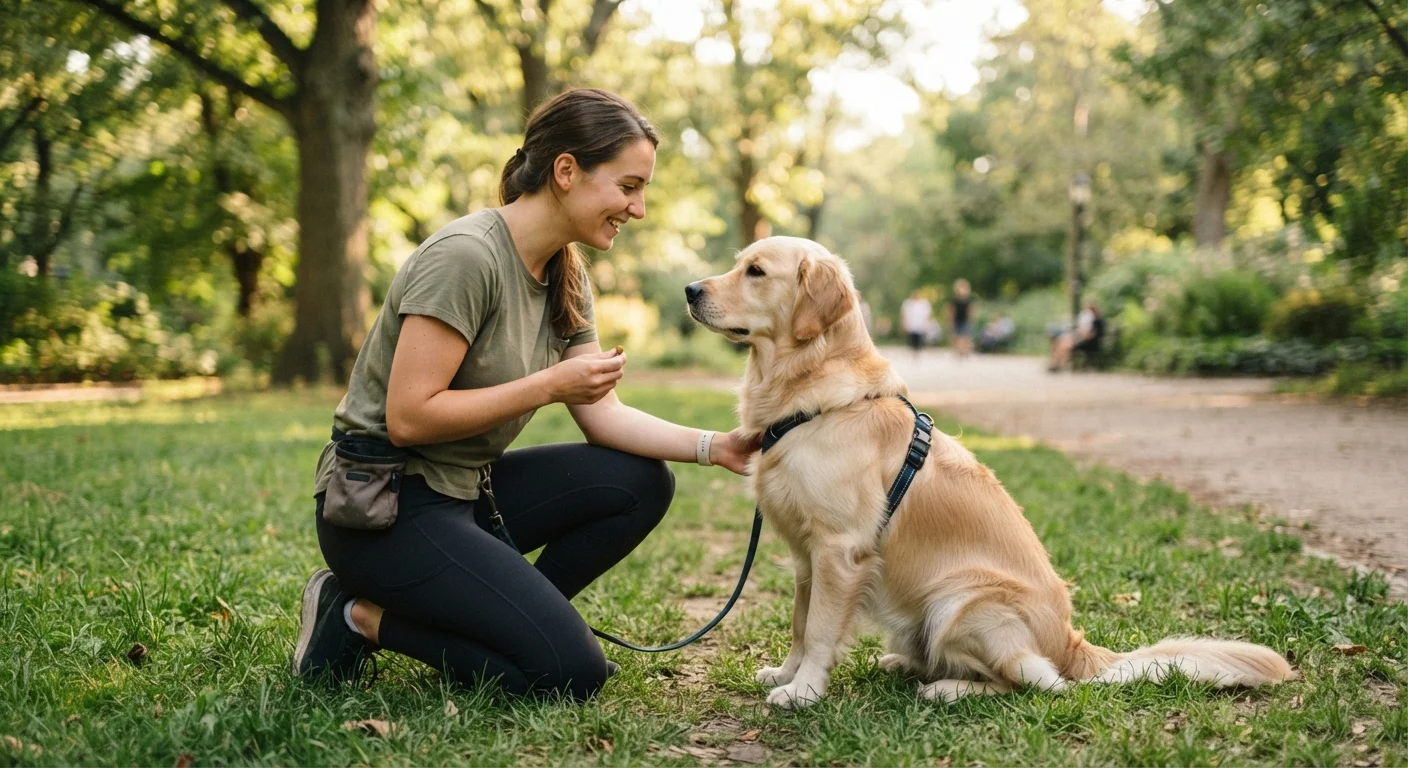
- Engaged body language - loose posture, alert ears, soft eyes - signals your pet is ready to learn.
- Ending a session on a positive note matters more than finishing a full training plan.
- Pain or chronic stress can look like 'stubbornness' - always rule out physical causes for sudden behavior changes.
Pet Body Language in Training
Pet body language in training refers to the physical signals your animal sends through posture, facial expressions, tail position, ear angle, and movement during a training session. These signals reveal how your pet is feeling - whether they're engaged, confused, stressed, or overloaded. Learning to recognize these cues in real time helps you adjust your approach before frustration sets in for either of you.
Animal behaviorists sometimes call stress-related signals 'calming signals' or 'appeasement behaviors' - subtle movements animals use to de-escalate tension and communicate discomfort to those around them.
Why Body Language Is Your Pet's Primary Language
Pets don't have the words to tell you when they're confused, overwhelmed, or having a great session - but they're telling you anyway, through every muscle in their body. Understanding what those signals mean is one of the most valuable skills you can develop as a pet owner.
Animals evolved to communicate non-verbally long before they ever encountered humans. Dogs communicate extensively through posture, eye contact, ear position, tail carriage, and even the way they hold their breath. Cats use a similarly rich vocabulary of tail flicks, slow blinks, ear rotations, and body orientation. When you learn to read these signals during training, you're essentially becoming bilingual - and that changes everything about how productive and enjoyable your sessions become.
For a broader foundation on how your pet communicates day to day, our plain-English breakdown of pet body language is a helpful companion to this article.
~65%
of animal communication that is non-verbal
Animal behaviorists broadly estimate that the vast majority of intraspecies communication in social mammals relies on body posture, facial signals, and movement rather than vocalizations.
5 min
Recommended max session length for cats
Certified feline behavior consultants frequently recommend keeping training sessions with cats to five minutes or fewer to prevent cognitive overload and maintain engagement.
30+
Distinct calming signals identified in dogs
Norwegian dog trainer and behaviorist Turid Rugaas documented more than 30 distinct calming signals dogs use to manage stress and communicate with others, including yawning, lip licking, and turning away.
Green Light Signals: When Your Pet Is Ready to Learn
Recognizing positive engagement signals helps you know when to push forward and when a concept is landing well.
Dogs
- Relaxed, open mouth - sometimes called a 'soft mouth,' this indicates a calm, receptive state.
- Ears at neutral or gently forward - interest without tension.
- Loose body weight shifting slightly forward - physical eagerness to engage.
- Soft, blinking eyes - comfort and trust.
- Tail wagging in a loose, circular or wide arc - genuine positive emotion, especially when paired with a relaxed body.
Cats
- Tail held upright with a gentle curve at the tip - a greeting posture that signals willingness to interact.
- Slow blinking toward you - a well-documented feline signal of comfort and trust.
- Relaxed whiskers fanning gently outward - calm attentiveness.
- Focused gaze on the treat or your hands - active engagement with the task.
These are the moments to introduce new behaviors or increase difficulty slightly. Pushing too hard even during a 'green light' phase can shift things quickly, so always watch for the earliest stress signals before they escalate.
Watch the Whole Body, Not Just One Signal
A single signal - like a wagging tail or forward ears - doesn't tell the full story. Train yourself to scan your pet's entire body: ears, eyes, mouth, tail, posture, and weight distribution together. Patterns across multiple signals are far more reliable than any one cue in isolation. Recording a training session on your phone and watching it back can make it much easier to catch signals you missed in the moment.
Yellow and Red Signals: Stress, Fatigue, and Overload
The most important skill in training isn't teaching a new command - it's knowing when to stop. Animals give off early warning signals well before they shut down or become frustrated, and catching them early protects your training relationship.
Common stress signals in dogs
- Yawning outside of waking - a classic calming signal indicating mild stress or cognitive fatigue.
- Lip licking or nose licking when no food is present - another appeasement behavior.
- Turning the head or body away - a clear request for more space or time.
- Whale eye (whites of the eyes visible) - discomfort or anxiety rising.
- Excessive panting in a cool room - stress, not heat.
- Freezing or going flat - the nervous system is overwhelmed.
Common stress signals in cats
- Tail flicking rapidly at the tip - agitation building.
- Ears flattening or rotating backward - escalating discomfort.
- Sudden grooming mid-session - a displacement behavior signaling conflict.
- Crouching low with tucked limbs - withdrawal and anxiety.
- Walking away without looking back - the session is over, from their perspective.
When you see these signals, the right move is to pause, return to a skill your pet already knows confidently, and end the session with success. This keeps training associated with positive feelings rather than pressure. For more on keeping sessions effective across any species, short and positive is almost always better than long and exhaustive.
Calming Signals Work Both Ways
Interestingly, you can use some calming signals back toward your dog to reduce their stress during training. Slow blinking, turning slightly sideways, and yawning yourself can communicate to a nervous dog that the situation is safe. Some trainers and behaviorists actively incorporate this into their work with anxious animals, though it works best alongside other positive reinforcement techniques.
When Behavior Changes Signal Something More Than Training
Not every training challenge is a training problem. If a previously cooperative pet suddenly refuses to sit, flinches when touched, or seems distracted and withdrawn, physical discomfort may be the real issue. Animals are remarkably good at masking pain - a survival instinct - which means what looks like stubbornness or regression can actually be a signal that something hurts.
Our article on signs your pet may be in pain covers the behavioral and physical cues that warrant a veterinary visit. When in doubt, have your vet rule out a physical cause before adjusting your training plan.
Understanding body language also deepens your ability to choose the right training method. Whether you're exploring clicker training versus verbal cues or building on foundational concepts from our training terminology guide, your pet's body is always part of the conversation.
This article is for general educational purposes and does not constitute veterinary or behavioral advice. If your pet shows signs of distress, injury, or sudden behavioral changes, consult a qualified veterinarian or certified animal behaviorist.