

Key Takeaways
- Periodontal disease affects an estimated 80% of dogs and 70% of cats by age three.
- Untreated dental disease can contribute to damage in the heart, kidneys, and liver.
- Daily toothbrushing is the most effective at-home prevention tool available to pet owners.
- Professional dental cleanings under anesthesia are the only way to address buildup below the gumline.
- Pets routinely mask oral pain, so regular vet assessments are essential for early detection.
Why Dental Disease Is So Common - and So Overlooked
Dental disease is among the most frequently diagnosed health conditions in companion animals, yet it remains one of the least prioritized by pet owners. According to the American Veterinary Medical Association, periodontal disease - infection and inflammation of the structures supporting the teeth - affects the majority of dogs and cats before they reach their third birthday.
Part of why it goes unnoticed is behavioral: animals are wired to hide vulnerability, including pain. A dog or cat with significant oral discomfort will often continue eating and behaving relatively normally, making it nearly impossible for owners to detect a problem without professional guidance. If you're wondering whether your pet might be showing subtle signs of distress, our article on signs your pet may be in pain explores those easy-to-miss cues in depth.
Dental disease typically begins with plaque - a soft, bacteria-laden film - accumulating on tooth surfaces. Left undisturbed, plaque mineralizes into tartar (also called calculus) within days. As bacteria migrate below the gumline, they trigger inflammation, tissue destruction, and eventually tooth and bone loss.
80%
Dogs with periodontal disease by age three
The American Veterinary Medical Association estimates that the majority of dogs show signs of periodontal disease before their third birthday.
70%
Cats affected by dental disease by age three
Veterinary dental specialists report that dental disease is the most commonly diagnosed health problem in cats seen in clinical practice.
How Oral Disease Affects the Whole Body
Many pet owners think of dental disease as a local problem - a matter of bad breath or yellowed teeth. In reality, chronic oral infection can have systemic consequences. Bacteria from an inflamed mouth can enter the bloodstream and, over time, may contribute to inflammatory changes in the heart, kidneys, and liver.
Veterinary research has identified associations between severe periodontal disease and organ dysfunction, particularly in the kidneys. While the relationship is still being studied, the working understanding in veterinary medicine is that keeping the mouth healthy supports the body's broader resilience - especially important for older pets whose organ reserves are already diminishing. Our guide on keeping aging pets comfortable addresses how dental care fits into a senior pet's adjusted routine.
“The mouth is truly a window into the health of the entire body. Chronic oral infection doesn't stay local - it can set off an inflammatory cascade that affects the kidneys, heart, and liver over time.”
— Jan Bellows, Board-certified veterinary dentist and fellow of the American Veterinary Dental College
Beyond organ health, oral pain affects quality of life in measurable ways - altering eating habits, reducing playfulness, and causing persistent low-grade stress that owners may attribute to aging or personality rather than physical discomfort.
Best Practices for Protecting Your Pet's Dental Health
The good news is that periodontal disease is largely preventable with consistent care. The following practices represent the veterinary community's recommended approach - from daily home maintenance to professional intervention.
Brush your pet's teeth daily using a veterinarian-approved toothpaste
Daily mechanical disruption of plaque is the single most effective preventive measure available at home. Human toothpaste contains ingredients toxic to animals, so species-specific formulas are essential. Consistency matters more than technique - even imperfect daily brushing outperforms occasional thorough attempts.
Schedule professional dental cleanings as recommended by your veterinarian
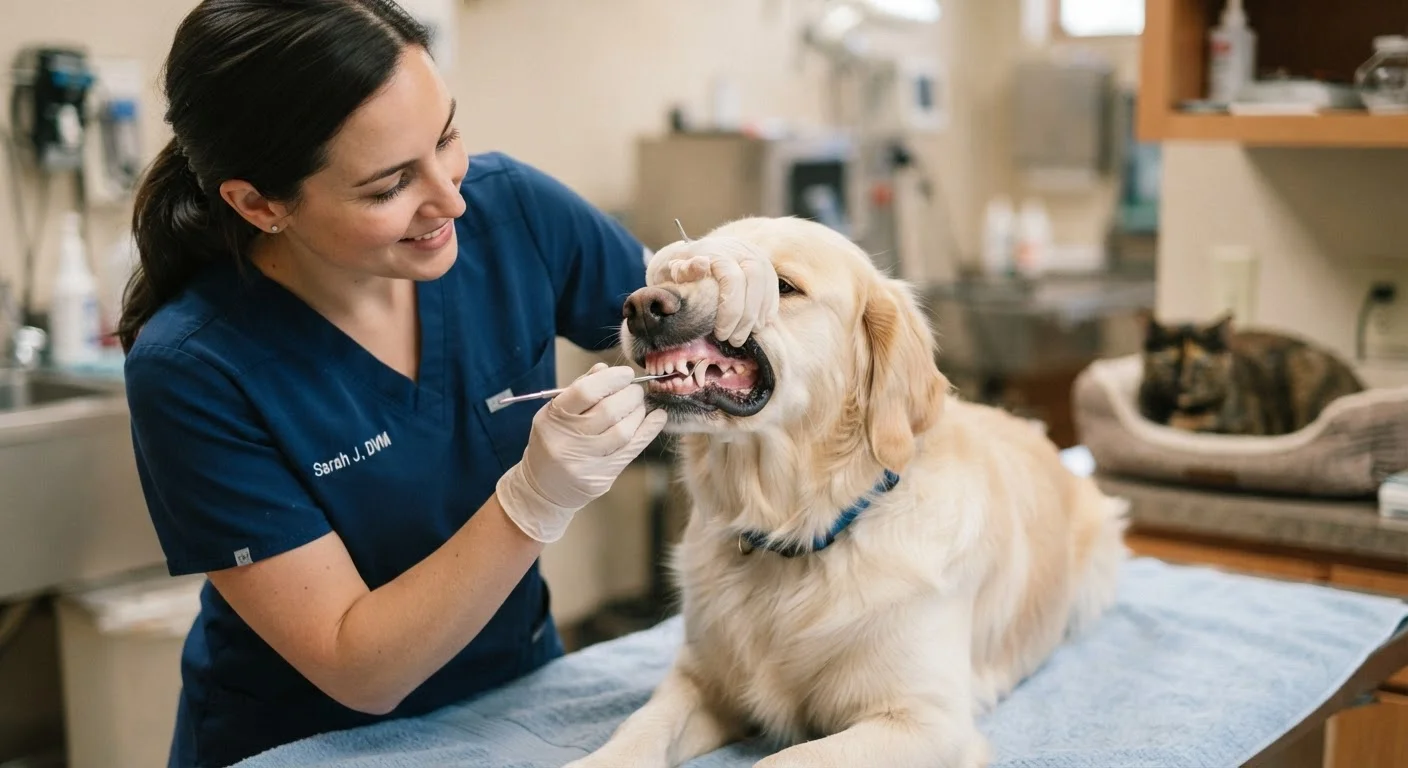
No amount of home care can remove established tartar or address infection below the gumline. Professional cleanings performed under general anesthesia allow the veterinary team to probe, scale, and polish every surface - including subgingival areas invisible during a basic exam. Frequency depends on breed, anatomy, and existing disease severity.
Offer veterinary-accepted dental chews or toys as a supplementary tool
Chewing creates mechanical abrasion that can slow plaque development on accessible tooth surfaces. The Veterinary Oral Health Council (VOHC) evaluates and recognizes products that meet defined efficacy standards - look for the VOHC seal when selecting supplementary products.
Have your pet's oral health formally graded at every veterinary visit
Periodic professional assessment catches disease progression before it becomes severe. Vets use a standardized 0-4 periodontal staging system to document gum recession, mobility, and pocket depth. Tracking grade over time lets owners and veterinarians make proactive decisions rather than reactive ones.
Learn to recognize the early warning signs of oral disease in your pet
Because pets mask discomfort, owner observation is a critical secondary layer of monitoring. Recognizing behavioral and physical changes associated with oral pain allows for earlier veterinary intervention and better outcomes.
Start Slowly With Toothbrushing
Most pets will resist toothbrushing initially - and forcing it early can create lasting aversion. A gradual desensitization approach, spread over one to two weeks, is far more likely to result in a cooperative daily routine. Begin with taste, then touch, then the brush itself. Pairing each step with calm praise helps build positive associations.
Dental health should be a standard topic at every wellness visit. Ask your veterinarian to grade your pet's periodontal status using the standard 0-4 scale so you have a clear benchmark. Our overview of what to expect at your pet's annual wellness exam explains what else vets evaluate during routine checkups.
Getting Started: Quick Actions You Can Take Now
If your pet's dental care has fallen behind, you're not alone - and it's not too late. The steps below are practical entry points that can meaningfully reduce your pet's risk, even if you're starting from scratch.
For pets with existing disease, home care alone isn't sufficient. A professional cleaning under general anesthesia is required to address what's already below the gumline. Talk to your veterinarian about timing and what the procedure involves - including pre-anesthetic bloodwork, which helps ensure your pet can safely undergo sedation. If your pet has a chronic condition that complicates anesthesia, our article on managing pets with chronic conditions may be a helpful companion read.
Staying on top of vet visit schedules by life stage ensures oral health gets assessed regularly - not just when problems become obvious. Explore more everyday care guidance in our pet care hub.
This article is for general informational purposes only and does not constitute veterinary advice. Always consult a licensed veterinarian for guidance specific to your pet's health needs.