

Key Takeaways
- Annual wellness exams catch hidden health problems before symptoms appear.
- Vets assess weight, teeth, heart, eyes, skin, and more in a single visit.
- Bloodwork and parasite screening reveal issues invisible to physical touch alone.
- Skipping yearly exams means diseases often progress to more difficult - and costly - stages.
- Visit frequency should increase for puppies, kittens, and senior pets.
Annual Wellness Exam
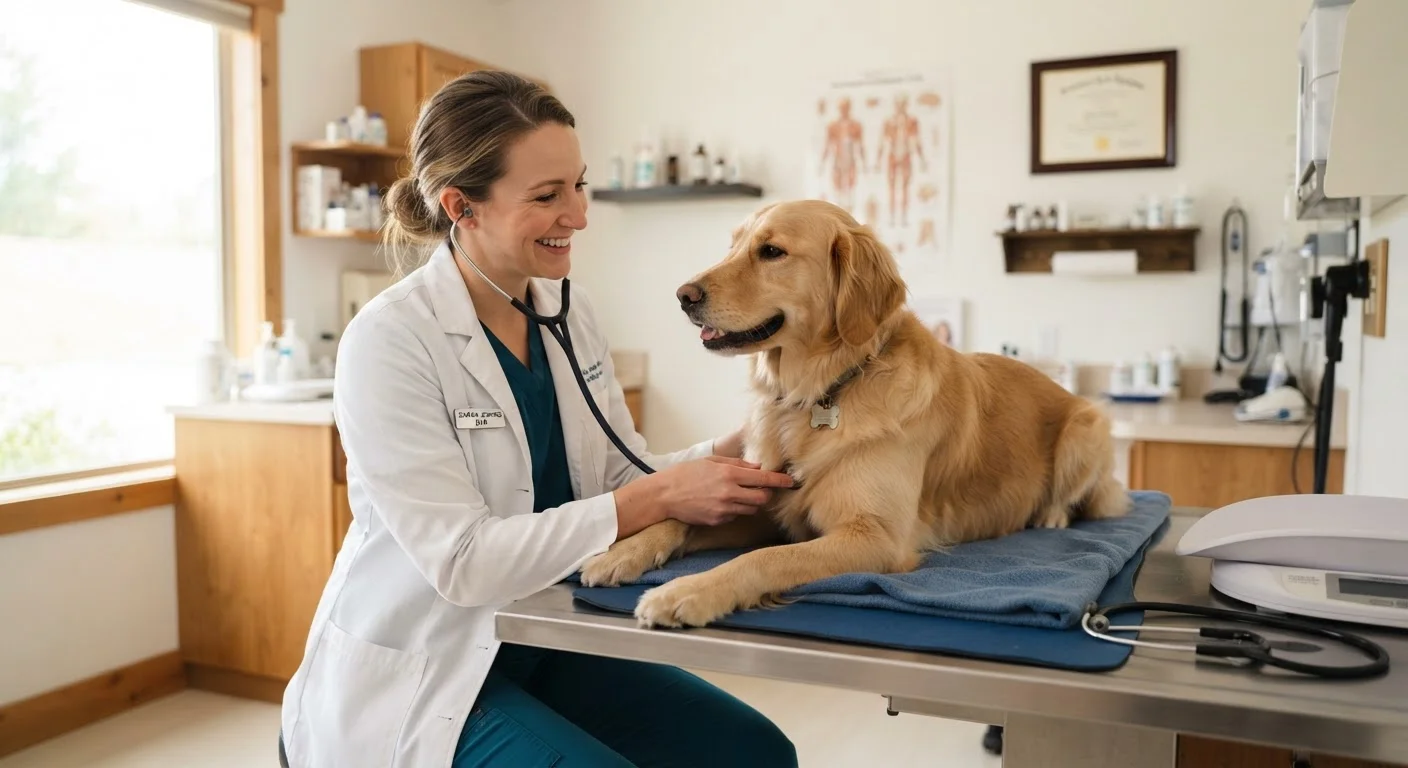
An annual wellness exam is a routine, head-to-tail physical evaluation performed by a licensed veterinarian once a year (or more often for puppies, kittens, and seniors). It's designed to assess your pet's overall health, catch early signs of disease, and keep preventive care - like vaccines and parasite protection - up to date. Think of it as your pet's yearly health baseline.
Veterinarians use findings from wellness exams to establish a patient history over time, which makes detecting subtle changes in organ function, weight, or behavior far more reliable than a single snapshot visit.
What a Wellness Exam Actually Involves
Many pet owners picture a wellness visit as a quick once-over before vaccine shots. In reality, a thorough annual exam is a systematic evaluation of nearly every body system your pet has - and it often reveals findings that surprise even attentive owners.
The exam typically begins with weight and body condition scoring, where the vet assesses not just the number on the scale but how fat and muscle are distributed across your pet's frame. This matters because weight is one of the earliest and most reliable indicators of metabolic change. Learn more about body condition scoring and why pet weight is a medical issue.
From there, the vet moves through a structured physical assessment:
- Eyes and ears: Checking for discharge, cloudiness, infection, or early signs of age-related change
- Mouth and teeth: Evaluating gum health, plaque buildup, and signs of periodontal disease - which affects the majority of pets by age three. Dental problems have consequences beyond the mouth.
- Heart and lungs: Listening for murmurs, arrhythmias, or abnormal breath sounds
- Abdomen: Palpating organs to detect enlargement, pain, or masses
- Skin and coat: Noting parasites, lumps, dryness, or hair loss patterns
- Joints and gait: Assessing mobility and early signs of arthritis
Keep a Notes List Before Each Visit
In the weeks leading up to your pet's exam, jot down any small changes you've noticed - shifts in appetite, drinking habits, energy level, or stool consistency. These details may seem minor but can be highly informative for your vet. Even a brief list helps the appointment cover more ground in less time.
This information builds a medical history that makes future exams more meaningful - a change noticed year over year is far more actionable than a single data point.
Bloodwork, Urinalysis, and Parasite Screening
Physical touch has limits. Many of the conditions most likely to shorten a pet's life - kidney disease, liver dysfunction, diabetes, thyroid disorders - don't produce visible symptoms until significant organ damage has already occurred. This is where diagnostic testing becomes essential.
A complete blood count (CBC) measures red and white blood cells and platelets, flagging anemia, infection, or immune abnormalities. A chemistry panel evaluates organ function - particularly kidney and liver markers - along with blood glucose and electrolytes. For cats especially, thyroid hormone levels are routinely checked in middle-aged and older animals.
Urinalysis complements bloodwork by revealing how well the kidneys are concentrating urine and whether infection, crystals, or protein loss are present. A fresh stool sample, if you bring one, allows the vet to screen for intestinal parasites that may be invisible to the naked eye.
~85%
Pets with dental disease by age 3
According to the American Veterinary Medical Association, the majority of dogs and cats show signs of periodontal disease by their third birthday - most without visible symptoms.
1 in 3
Pets develop cancer in their lifetime
The American Veterinary Medical Association estimates that cancer is among the leading causes of death in older pets, underscoring the value of regular physical examinations for early detection.
7x
Faster aging than humans (cats and dogs)
Because pets age significantly faster than people, a single missed annual exam represents a proportionally much longer gap in monitoring their health trajectory.
Parasite prevention is also reviewed at this visit - your vet will confirm that your current protocol matches your pet's lifestyle and geographic risk. Heartworm testing is typically performed annually for dogs on preventive medication, since no preventive is 100% guaranteed.
Why Skipping Exams Carries Real Consequences
It can be tempting to skip a wellness visit when your pet seems healthy. But "seems fine" and "is fine" aren't the same thing in veterinary medicine. Animals are instinctively good at masking discomfort - a trait rooted in survival biology - which means owners often can't detect pain, disease, or dysfunction without professional assessment.
Pets Hide Pain Better Than We Realize
Cats and dogs are biologically wired to conceal signs of illness or discomfort - a survival mechanism that makes them unreliable self-reporters of their own health. This means a pet can appear energetic and happy while carrying a condition that's quietly progressing. Professional examination is how you see past that instinct.
Conditions caught at an early, manageable stage are almost always less costly and less disruptive to treat than those discovered during a crisis visit. Dental disease that could have been addressed with a professional cleaning may instead require extractions. A kidney condition caught in its earliest phase may be slowed significantly; the same condition found late offers fewer options.
Visit frequency also needs to increase at certain life stages. Senior pets, in particular, can experience rapid health changes between annual visits - which is why many vets recommend biannual exams for dogs and cats over age seven.
Pairing regular vet care with consistent home routines makes a meaningful difference. The everyday pet care checklist is a practical companion to annual exam findings, helping you stay on top of nutrition, grooming, and early warning signs between appointments.
This article is for general informational purposes only and does not constitute veterinary medical advice. Always consult a licensed veterinarian for guidance specific to your pet's health needs.