

| Puppy/kitten visit frequency | Every 3-4 weeks from 6-16 weeks of age (American Veterinary Medical Association (AVMA)) |
| Adult pet annual visits | Once per year for healthy adults (General veterinary consensus) |
| Senior dog threshold | Around age 7 (earlier for large breeds) (American Animal Hospital Association (AAHA)) |
| Senior cat threshold | Around age 10 (American Association of Feline Practitioners (AAFP)) |
| Senior pet visit frequency | Every 6 months (AAHA Senior Care Guidelines) |
| First vet visit age | 6-8 weeks of age (General veterinary consensus) |
Why Vet Visit Frequency Changes as Your Pet Ages
A one-size-fits-all approach to veterinary care doesn't serve pets well. Just as children's pediatric appointments are more frequent during growth years, pets need more intensive monitoring at certain life stages and less at others - until age tips the balance again. Understanding the reasoning behind recommended visit schedules helps you stay proactive rather than reactive when it comes to your companion's health.
Your vet is your best partner in building a visit schedule tailored to your pet's species, breed, size, and individual health history. The guidelines below reflect general recommendations from veterinary organizations and are meant as a starting framework, not a replacement for personalized veterinary guidance.
| Puppy/kitten visit frequency | Every 3-4 weeks from 6-16 weeks of age (American Veterinary Medical Association (AVMA)) |
| Adult pet annual visits | Once per year for healthy adults (General veterinary consensus) |
| Senior dog threshold | Around age 7 (earlier for large breeds) (American Animal Hospital Association (AAHA)) |
| Senior cat threshold | Around age 10 (American Association of Feline Practitioners (AAFP)) |
| Senior pet visit frequency | Every 6 months (AAHA Senior Care Guidelines) |
| First vet visit age | 6-8 weeks of age (General veterinary consensus) |
Puppies and Kittens: Frequent Visits in the First Year
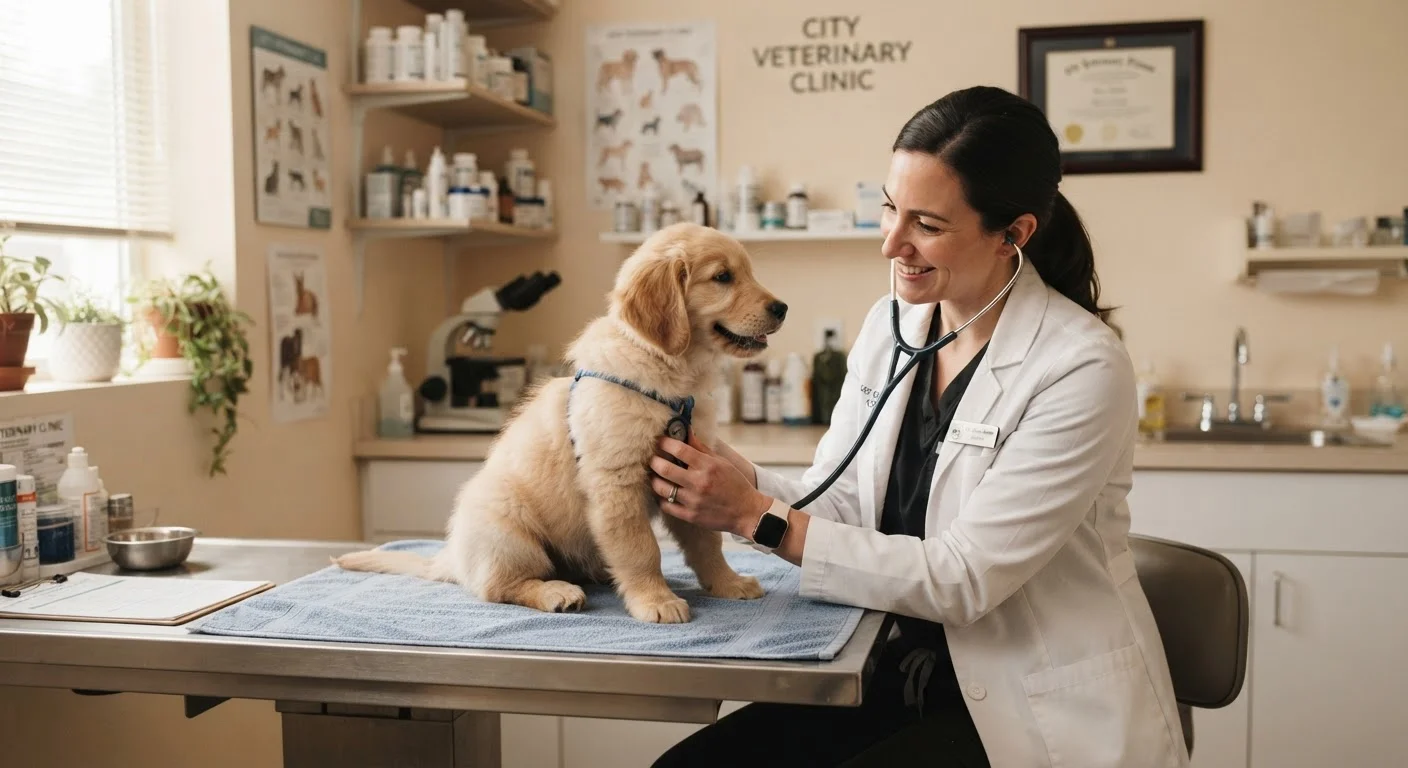
The first year of life is the most visit-intensive period for dogs and cats. Most veterinary guidelines recommend scheduling appointments every 3 to 4 weeks from around 6-8 weeks of age until roughly 16 weeks. These early visits accomplish several critical goals simultaneously: completing the core vaccination series, screening for congenital conditions, discussing parasite prevention, and establishing baseline health data.
Vaccines administered in this window - such as distemper-parvovirus combinations for puppies and panleukopenia combinations for kittens - require booster doses spaced weeks apart to build full immunity. Learn more about how these schedules work in our guide to core and non-core pet vaccinations.
After the initial series, a visit around the 6-month mark is typical for spay or neuter consultation, dental assessment, and a booster check. By 12 months, most pets transition to an adult schedule. Early socialization and training - which intersect with these visits - are covered in our article on training across life stages.
Core vaccines
Vaccinations recommended for all pets regardless of lifestyle, because they protect against diseases that are widespread, severe, or transmissible to humans. Examples include rabies and distemper for dogs.
Wellness exam
A routine veterinary checkup for an apparently healthy pet, designed to assess overall health, catch early signs of disease, and update preventive care like vaccines and parasite control.
Senior wellness panel
An expanded set of diagnostic tests - typically including bloodwork, urinalysis, and blood pressure - recommended for older pets to monitor organ function and detect age-related conditions early.
Parasite prevention
Ongoing use of veterinarian-recommended products to protect pets from internal parasites (such as heartworm and intestinal worms) and external parasites (such as fleas and ticks).
Adult Pets: Annual Wellness as a Foundation
Once a dog or cat reaches adulthood - typically 1 to 7 years for dogs (varying by size) and 1 to 10 years for cats - an annual wellness exam is the standard recommendation for healthy individuals. These visits are far more than a vaccine refresh. Vets assess weight, heart and lung function, dental health, skin and coat condition, and behavioral changes. Bloodwork and parasite screening may also be recommended depending on your pet's lifestyle and risk factors.
Dental disease is a particularly common finding in adult pets - periodontal disease affects most pets by age three, making regular oral assessments essential. Your vet may also flag early signs of conditions that are easier - and less expensive - to manage when caught early.
For a detailed look at what happens during a routine wellness visit, see what vets check during a wellness exam. Integrating vet visits into your broader care routine is easier with a structured plan like our everyday pet care checklist.
80%
Of dogs show signs of dental disease by age 3
According to the American Veterinary Dental College, periodontal disease is one of the most common conditions identified during routine wellness exams.
2x/year
Recommended vet visits for senior pets
The American Animal Hospital Association's senior care guidelines recommend twice-yearly exams for pets in their senior years to catch age-related changes promptly.
Senior Pets: Twice-Yearly Visits Become the Norm
Most veterinary guidelines define senior status as approximately age 7 and older for dogs - earlier for larger breeds - and age 10 and older for cats. At this stage, semi-annual (every 6 months) checkups are widely recommended. The reasoning is straightforward: age-related conditions like kidney disease, hyperthyroidism in cats, arthritis, cognitive decline, and certain cancers can develop and progress quickly. A six-month gap gives vets a meaningful window to detect changes before they become emergencies.
Senior wellness panels typically expand to include bloodwork, urinalysis, blood pressure monitoring, and joint assessments. These diagnostics provide a clearer picture of organ function than a physical exam alone can offer.
Caring for an aging pet involves more than vet visits - nutrition, mobility support, and environmental adjustments all matter. Our guide to keeping aging pets comfortable walks through what shifts in daily care make the biggest difference. You can also find complementary information in our hub on everyday pet care.
For a deeper dive into what preventive visits involve at every stage, see what vets actually check during preventive care visits.
This article provides general pet health information for educational purposes only. Always consult a licensed veterinarian for guidance specific to your pet's health, breed, and individual needs.
Small Mammals, Birds, and Exotic Pets
Rabbits, guinea pigs, birds, and reptiles have their own unique veterinary needs and life stage considerations. Exotic pet owners should seek out a veterinarian with specific training in their species, as general small-animal guidelines may not apply. Annual wellness visits are a reasonable baseline for most exotic pets, but your vet may recommend more frequent monitoring depending on the species and individual health history.