

Key Takeaways
- A wellness exam covers far more than vaccines - it's a head-to-tail physical assessment.
- Vets use baseline data from routine visits to catch disease trends early.
- Senior pets and young animals often benefit from more frequent checkups than adults.
- Parasite prevention guidance is typically reviewed and updated at each wellness visit.
- Dental health, weight, and behavioral changes are all evaluated during a routine exam.
Preventive Care Visit
A preventive care visit - also called a wellness exam or routine checkup - is a scheduled appointment with your veterinarian designed to assess your pet's overall health before problems arise. Unlike sick visits, which address specific symptoms, wellness exams focus on early detection, disease prevention, and establishing a health baseline for your animal. They typically include a physical exam, vaccination review, parasite screening, and a conversation about your pet's nutrition, behavior, and lifestyle.
Veterinarians use wellness exams to compare findings over time; subtle changes in weight, organ size, or coat quality may signal underlying conditions that aren't yet causing visible symptoms.
More Than a Shot Appointment
Many pet owners think of an annual vet visit as primarily a vaccine renewal. In reality, vaccinations are just one element of a comprehensive wellness exam that gives your veterinarian a detailed look at your pet's overall health. Understanding what happens during these visits - and why each component matters - can help you become a more informed advocate for your animal companion.
Think of preventive care visits the way you'd think of your own annual physical: the goal isn't to treat a problem, it's to make sure one isn't quietly developing. For pets who can't tell us when something feels off, these checkups are especially valuable. See our walkthrough of what to expect at a routine wellness visit for a detailed look at the exam process.
70%
Pets showing periodontal disease by age 3
According to the American Veterinary Medical Association, the majority of dogs and cats show signs of dental disease before their third birthday - often detectable during a routine exam.
2x/year
Recommended visit frequency for senior pets
Veterinary guidelines generally advise semi-annual wellness exams for pets in their senior years, when age-related conditions develop more rapidly.
~50%
Pet owners who skip annual vet visits
Surveys from the American Pet Products Association have found that a significant portion of pet owners do not bring their animals in for annual checkups, often due to cost concerns or the belief their pet appears healthy.
The Head-to-Tail Physical Exam
The physical examination is the heart of every wellness visit. Your vet works through a systematic checklist, assessing each body system for signs of abnormality. Here's what's typically evaluated:
- Eyes and ears: Checked for discharge, redness, cloudiness, infection, or early signs of age-related changes.
- Teeth and gums: Oral health is a window into systemic health. Periodontal disease affects most pets by age three - early detection matters. Learn more in our guide on dental health in dogs and cats.
- Skin and coat: Dull coat, hair loss, or skin lesions can point to allergies, parasites, or nutritional deficiencies.
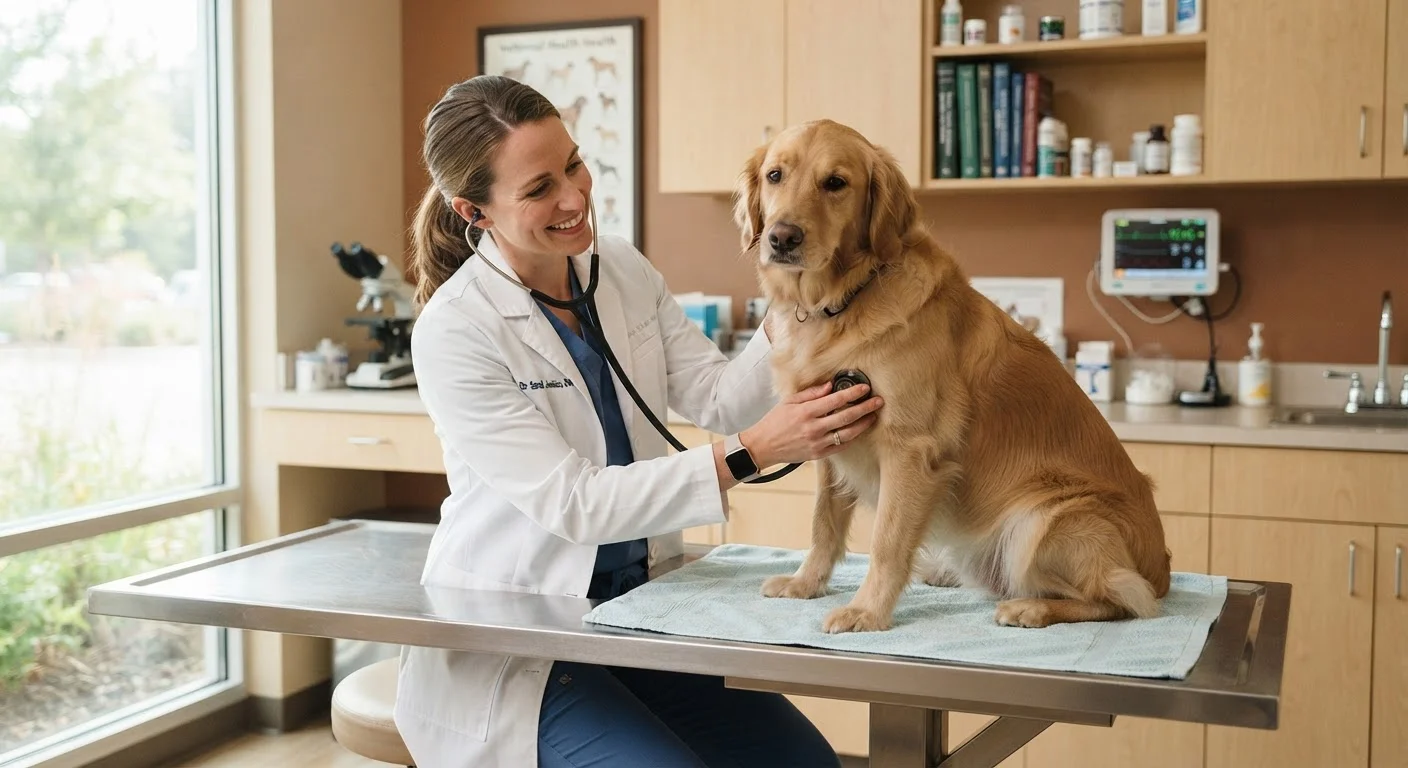
- Heart and lungs: Auscultation (listening with a stethoscope) detects murmurs, arrhythmias, or abnormal breath sounds.
- Abdomen: Gentle palpation checks organ size and consistency, which can reveal enlarged lymph nodes, unusual masses, or organ irregularities.
- Joints and gait: Vets assess mobility, muscle mass, and joint comfort - particularly important for aging pets or large breeds prone to orthopedic issues.
- Weight and body condition score: Tracked over time, weight changes can be one of the earliest indicators of metabolic, cardiac, or digestive conditions.
Write Down Changes Before the Appointment
In the days before your pet's wellness visit, jot down any changes you've noticed - appetite shifts, new lumps, changes in water intake, or behavioral differences. Vets rely heavily on owner observations because you see your pet every day. Even something that seems minor can be a meaningful clue.
Bloodwork, Parasite Screening, and Vaccinations
Beyond the hands-on exam, your vet may recommend diagnostic testing. A basic blood panel can screen for kidney and liver function, blood cell counts, and thyroid levels. Urinalysis assesses kidney health and hydration status. These tests are particularly valuable for establishing a baseline in younger pets and monitoring trends in older ones.
Parasite screening - including fecal testing for intestinal worms and heartworm testing for dogs - is another standard component. Prevention protocols for fleas, ticks, and heartworm are reviewed and updated based on your pet's lifestyle, geographic location, and risk exposure. Our article on flea, tick, and heartworm prevention explains how these preventives work and why consistency is key.
Vaccination status is assessed against current guidelines and your pet's individual risk profile. Not every vaccine is right for every pet - your vet will distinguish between core vaccines (recommended for all animals) and non-core vaccines based on lifestyle factors. For a detailed breakdown, see our guide on core vs. non-core pet vaccinations.
Why Frequency and Consistency Matter
A single wellness exam is useful, but the real power comes from consistent, repeated visits over time. Vets rely on longitudinal data - comparing this year's weight, organ feel, and lab values to last year's - to catch subtle trends. A one-pound weight loss might mean nothing in isolation; paired with a declining trend over three visits, it becomes a meaningful clinical signal.
How often your pet needs to be seen depends on their life stage. Puppies and kittens typically visit multiple times in their first year. Most healthy adult pets benefit from annual exams. Senior pets - generally dogs over seven and cats over ten - often do best with twice-yearly checkups. For a complete breakdown, see vet visit frequency by life stage.
Between visits, the daily and weekly care you provide at home matters enormously. Our everyday pet care checklist can help you stay on top of the routines that support your pet's wellness year-round.
What to Do Between Wellness Visits
Preventive care doesn't only happen at the clinic. Monitoring your pet's weight, checking for new lumps or skin changes, and noting shifts in energy or appetite at home gives you valuable data to share with your vet. If something seems off between scheduled visits, don't wait for the annual exam - contact your veterinary practice to discuss whether your pet needs to be seen sooner.
This article is for general informational purposes only and does not constitute veterinary medical advice. Always consult a licensed veterinarian for guidance specific to your pet's health needs.