

Key Takeaways
- Excess weight is a diagnosable medical condition that shortens pets' lives, not simply a cosmetic concern.
- Obesity in pets is directly linked to arthritis, diabetes, heart disease, and respiratory problems.
- Body Condition Scoring is the standard tool vets use - and owners can learn the basics too.
- Portion control and regular movement are the two most effective interventions for weight management.
- Weight loss in pets should always be supervised by a veterinarian to avoid nutritional deficiencies.
Pet Obesity
Pet obesity is a medical condition in which a dog or cat carries enough excess body fat to meaningfully harm their health. Most veterinary guidelines classify a pet as obese when body weight exceeds ideal by 20% or more. It is one of the most common - and most preventable - diseases seen in companion animals today.
Veterinarians typically assess weight status using a Body Condition Score (BCS), a standardized 5- or 9-point scale that evaluates fat coverage over ribs, spine, and waist, rather than relying on a single number on a scale.
More Than a Number on the Scale
When a pet looks a little round or feels heavy to lift, it's tempting to chalk it up to a quirky body type or blame it on treats. But veterinary science is clear: excess body fat in pets is a disease state, one that triggers a cascade of physiological consequences that quietly erode quality and length of life.
Understanding pet obesity as a medical issue - rather than an appearance issue - changes how we respond to it. It shifts the conversation from mild embarrassment to genuine advocacy for our animals' well-being. Explore the everyday basics of pet care to build habits that support long-term health alongside weight management.
59%
of US dogs and cats classified as overweight or obese
According to the Association for Pet Obesity Prevention's annual surveys, roughly 6 in 10 companion dogs and cats in the US carry excess body weight.
~2 years
Lifespan reduction linked to obesity in dogs
Veterinary studies, including landmark research on Labrador Retrievers, have found that dogs kept at lean body condition live significantly longer than overweight counterparts.
4x
Increased diabetes risk in obese cats
Obese cats face dramatically elevated risk of developing type 2 diabetes compared to cats maintained at a healthy weight, according to veterinary endocrinology research.
What Obesity Actually Does to a Pet's Body
Fat tissue is metabolically active. In excess, it releases inflammatory compounds that stress joints, strain the cardiovascular system, and disrupt hormone regulation. Here's what that looks like in practice:
- Osteoarthritis: Extra weight accelerates cartilage breakdown in joints. Many pets are in chronic pain that owners don't recognize because animals instinctively hide discomfort.
- Type 2 Diabetes: Obesity drives insulin resistance, particularly in cats. Once diabetes develops, it requires daily management - often including insulin injections.
- Heart and Respiratory Disease: Fat deposits around the chest cavity restrict lung expansion, and the heart works harder to supply an enlarged body mass.
- Shortened Lifespan: Research published in veterinary journals consistently shows that dogs maintained at a lean body condition live measurably longer than their overweight counterparts - in some studies, by nearly two years.
If your pet is already managing a weight-related condition, long-term chronic condition management is an important next area to understand.
Pain Is Often Hidden in Pets
Dogs and cats have evolved to mask signs of pain - a survival instinct that can make it difficult for even attentive owners to recognize that their pet is uncomfortable. A pet who moves slowly, is reluctant to jump, or seems less playful than usual may be experiencing joint pain related to excess weight rather than simply "getting older." Raising these behavioral changes with your vet provides important diagnostic context.
Body Condition Scoring: The Tool That Matters Most
A pet's weight in pounds alone tells you very little without context. A 90-pound Labrador may be lean; a 90-pound Labrador of smaller frame may be significantly overweight. That's where Body Condition Scoring (BCS) comes in.
Vets use a 5- or 9-point scale to evaluate fat distribution across the ribs, spine, waist, and abdomen. On a 9-point scale, scores of 4-5 are considered ideal; scores of 7 and above indicate excess weight. At a routine wellness exam, your vet will assign a BCS and can walk you through what they're feeling and why it matters.
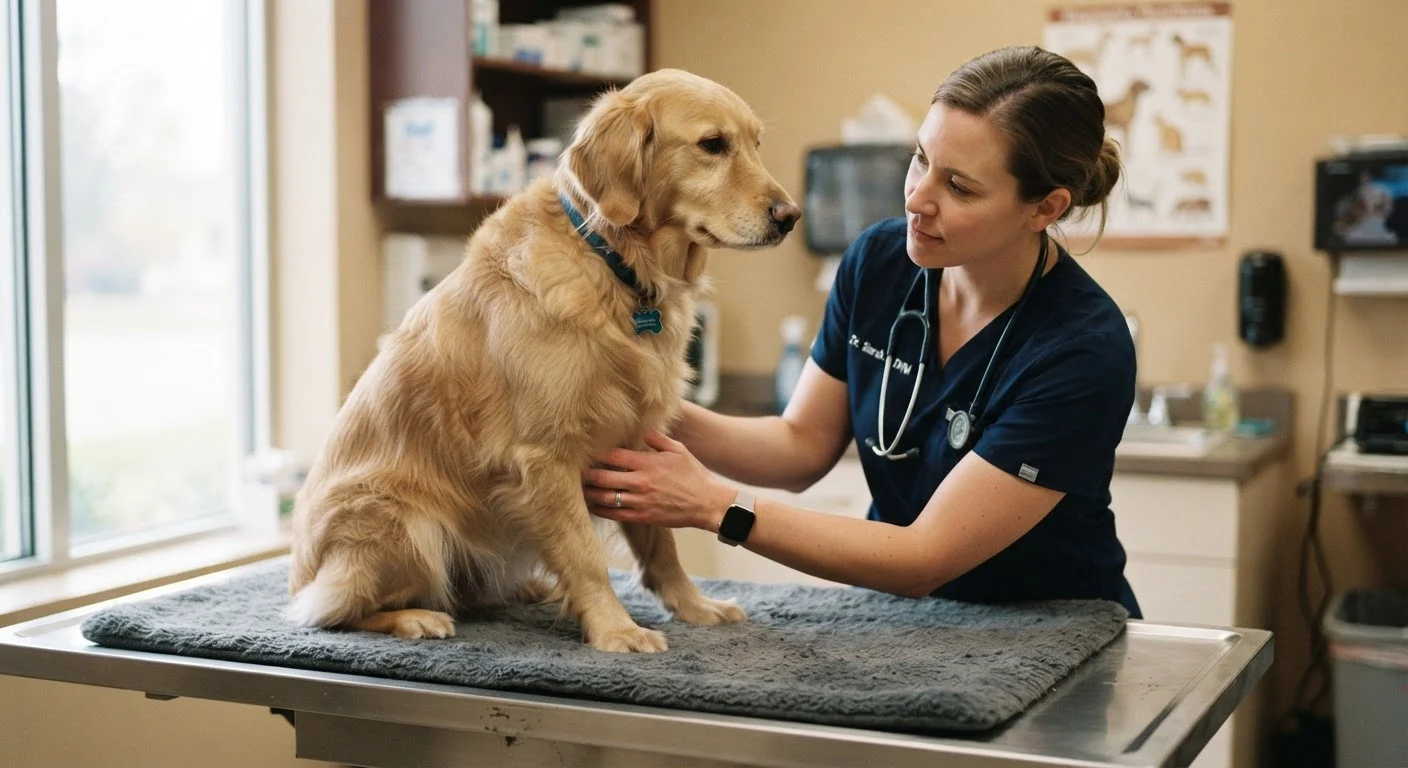
You can practice a basic version at home: run your fingers along your pet's ribcage. You should feel individual ribs without pressing hard. Viewed from above, there should be a visible waist tuck. From the side, the belly should not hang lower than the chest. These aren't diagnoses - but they're useful signals to bring to your vet.
Ask Your Vet to Teach You the BCS
At your next veterinary visit, ask your vet to walk you through the body condition scoring process hands-on. Learning what a healthy rib feel actually means for your specific pet - not just a chart - gives you a practical monitoring tool you can use between appointments. Many vets welcome this kind of engaged owner involvement.
Why Pets Gain Weight - and What Owners Can Do
The root causes of pet obesity mirror those in humans: too many calories in, too few calories burned. But several factors make it easy to underestimate intake:
- Treats and table scraps add up fast. A small dog biscuit can represent 10% of a small dog's daily caloric need.
- Overestimating portion sizes is common, especially when using measuring cups loosely. Feeding guides on packaging are often set for the higher end of activity level.
- Life changes - neutering, aging, reduced exercise - lower a pet's caloric requirements without owners adjusting their feeding accordingly.
For a closer look at where feeding habits go wrong, common pet nutrition mistakes covers the errors that affect long-term health most. And don't underestimate movement - mental enrichment and activity benefit physical health just as much as they support emotional well-being.
If your pet is a senior, note that care needs shift meaningfully with age, including how many calories they actually need.
This article provides general information about pet health and is not a substitute for professional veterinary advice. Always consult your veterinarian before making changes to your pet's diet or exercise routine.