

Key Takeaways
- A chipset is a System on a Chip (SoC) that integrates the CPU, GPU, modem, and other engines in one component.
- CPU cores handle general tasks; more cores and higher clock speeds can mean faster performance.
- The GPU drives graphics for the display, games, and video - not just gaming.
- A dedicated Neural Processing Unit (NPU) powers AI features like voice assistants and photo enhancement.
- The modem inside the chipset determines whether your phone supports 5G, 4G LTE, or older standards.
- Chip manufacturing process size (in nanometers) directly affects battery efficiency and heat generation.
Mobile Processor (Chipset)
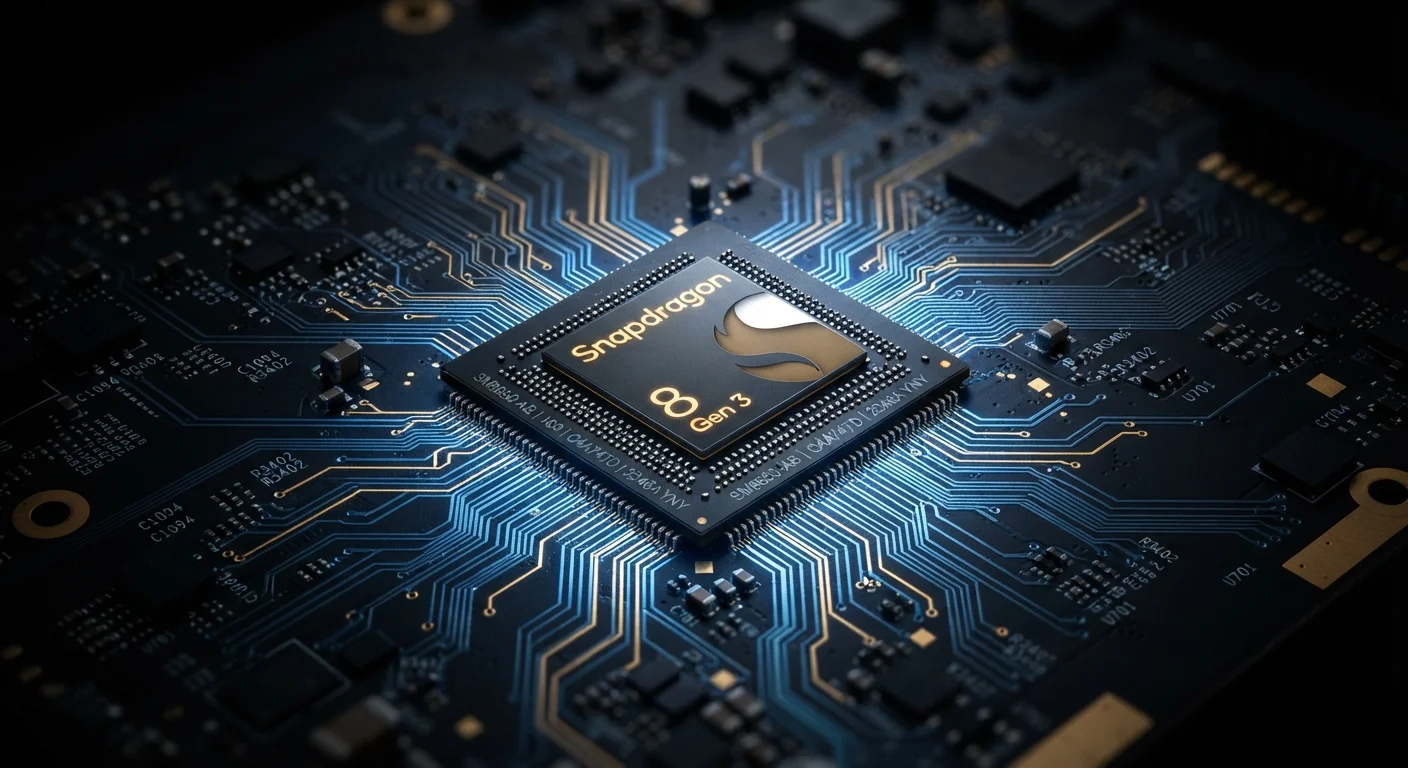
A mobile processor - often called a chipset or SoC (System on a Chip) - is the central component that runs everything on your smartphone. It handles computing tasks, graphics, wireless connections, and more, all packed into a chip smaller than a fingernail. Think of it as the brain and nervous system of your phone combined into one piece of silicon.
Modern SoCs integrate multiple specialized processing units - CPU, GPU, NPU, and modem - on a single die, typically manufactured at process nodes measured in nanometers (e.g., 3nm or 4nm), where smaller nodes generally mean greater efficiency and performance.
What's Actually Inside the Chipset
When phone makers advertise a new processor, they're really describing a System on a Chip (SoC) - a single package that crams multiple specialized components onto one piece of silicon. Understanding what those components are explains a lot about how your phone behaves day to day.
The main building blocks inside a modern mobile chipset include:
- CPU (Central Processing Unit): The general-purpose brain that runs apps, the operating system, and everything requiring logical computation. Modern phone CPUs use multiple cores - some optimized for peak performance, others for efficiency during lighter tasks.
- GPU (Graphics Processing Unit): Renders everything visual - not just games, but also your home screen animations, video playback, and UI transitions.
- NPU (Neural Processing Unit): A dedicated AI engine that handles machine learning tasks like face detection, scene recognition in the camera, and on-device voice processing.
- ISP (Image Signal Processor): Processes the raw data from camera sensors, applying computational photography techniques in real time.
- Modem: Manages cellular connectivity, determining which network generations (4G LTE, 5G) the phone can use.
- DSP (Digital Signal Processor): Handles audio processing, sensor data, and other repetitive calculations efficiently in the background.
~15 billion
Transistors in a modern smartphone SoC
Leading chipsets contain roughly 10-16 billion transistors packed onto a chip smaller than a human thumbnail, enabling simultaneous multi-core processing.
3nm
Smallest current chip manufacturing node
As of recent chipset generations, leading manufacturers have moved to 3nm process nodes, improving energy efficiency compared to older 7nm or 5nm designs.
8+
CPU cores in flagship phone chipsets
Most flagship chipsets use eight or more cores split between high-performance and high-efficiency clusters to balance speed and battery life.
See our guide to smartphone specs for a broader breakdown of what these numbers mean on a spec sheet.
How the CPU and GPU Divide the Work
Most people assume the CPU does everything, but modern chipsets distribute workloads intelligently. The CPU handles decision-making - what should the phone do next? - while the GPU takes on anything that requires drawing pixels or processing visual data in parallel.
Today's phone CPUs use a big.LITTLE architecture (or a variation of it), grouping cores into clusters: high-performance cores for demanding tasks and high-efficiency cores for routine background work like checking notifications or syncing email. This division extends battery life without sacrificing responsiveness when you need it.
Check the Core Configuration, Not Just Core Count
When evaluating a phone's processor, look for information about how its CPU cores are configured - specifically the split between performance and efficiency cores. A chip with well-balanced clusters will handle both heavy workloads and everyday tasks better than one that simply advertises more cores without efficiency design.
The GPU's role extends well beyond gaming. Smooth scrolling, video streaming in high resolution, and photo editing apps all rely on GPU performance. A weak GPU can make even basic UI interactions feel sluggish.
For a practical look at how these components translate into real-world use, the article what RAM, storage, and processors mean for everyday use offers useful context.
Why AI Processing and the Modem Matter More Than You Think
Two chipset components that often get overlooked - the NPU and the modem - have a significant impact on your daily experience.
The NPU enables on-device AI without sending your data to a remote server. Features like real-time translation, night mode photography, and voice recognition rely on it. As phones take on more AI-driven capabilities, the NPU's power becomes increasingly important for both responsiveness and privacy.
The modem determines your cellular experience. It controls not just whether you can connect to 5G, but also how efficiently the phone manages signal handoffs, battery draw from the radio, and connection stability in weak-signal environments. What cellular network generations actually change goes deeper on what different network standards mean in practice.
The chipset's ISP also deserves mention alongside camera hardware. The complete picture on smartphone cameras explains how computational photography - largely driven by the chip - shapes image quality as much as lens optics do.
Chipset Performance Varies by Software Too
Hardware specs only tell part of the story. How well the operating system and apps are optimized for a specific chipset significantly affects real-world performance. A phone with a slightly older chip but highly optimized software can outperform a newer chip running poorly tuned software in everyday tasks.