

Key Takeaways
- Megapixel count alone does not determine photo quality - sensor size and aperture matter more.
- Optical zoom preserves image quality; digital zoom simply crops and enlarges, reducing detail.
- Night mode uses software processing to combine multiple exposures into one bright, clean image.
- Most phones carry two or three lenses that serve distinct purposes: wide, ultrawide, and telephoto.
- Computational photography - software-driven image processing - is now as important as the hardware.
Why Camera Specs Can Be Misleading
Smartphone camera marketing tends to lead with megapixels - the number is large, easy to compare, and sounds impressive. But a 200MP sensor on a phone with a tiny lens and poor software can produce worse real-world photos than a well-tuned 12MP system. Understanding what the numbers actually mean helps you cut through the noise.
As our guide to smartphone specs explains, spec sheet figures rarely tell the full story. Camera systems are a combination of hardware and software working together, and neither element alone determines the outcome.
200MP
Highest smartphone sensor resolution available
Several flagship phones have introduced 200-megapixel sensors, though real-world image quality depends heavily on lens optics and software processing.
f/1.4
Widest apertures found on flagship phones
Some leading-edge smartphones have reached f/1.4 apertures, allowing significantly more light capture than the f/2.0-f/2.4 range common in midrange devices.
10x
Maximum optical zoom on select phones
A small number of premium smartphones offer periscope telephoto lenses achieving up to 10x optical zoom without digital interpolation.
Sensor Size and Aperture Explained
The image sensor is the component that captures light. Larger sensors can gather more light, which directly improves performance in dim conditions and enables a more natural background blur. Sensor size is typically expressed in fractions of an inch (e.g., 1/1.28") - a smaller denominator means a larger, better sensor.
Aperture describes how wide the lens opening is when a photo is taken. It's expressed as an f-number (e.g., f/1.8). Counterintuitively, a lower f-number means a wider opening and more light entering the sensor. A phone with f/1.6 aperture will generally perform better in low light than one rated at f/2.4.
Together, sensor size and aperture are the two hardware factors with the greatest real-world impact on image quality - far more than megapixel count in isolation.
When comparing two phones for low-light photography, prioritize aperture and sensor size over megapixel count - those two factors have the most direct impact on how much light reaches the sensor.
In dim conditions, the physical ability to gather light matters far more than resolution. A 12MP camera with f/1.6 aperture will almost always outperform a 50MP camera at f/2.4 in the same environment.
Look up independent camera test results from established photography review outlets before making a decision - controlled real-world tests reveal performance patterns that spec sheets hide.
Manufacturers optimize demo scenarios for marketing materials. Independent testers capture images across a wide range of conditions, giving a more accurate picture of everyday performance.
Optical Zoom vs. Digital Zoom
Optical zoom uses a dedicated telephoto lens with its own sensor to physically magnify a subject. Because it uses actual optics rather than software, sharpness and detail are preserved. A phone advertised as offering 3x or 5x optical zoom has a separate lens dedicated to that focal length.
Digital zoom, by contrast, simply crops into the main sensor's image and enlarges the remaining pixels - similar to zooming into a photo in your gallery after the fact. The result is a loss of detail and increased graininess, especially beyond 2x on most sensors.
Don't Confuse Maximum Zoom With Useful Zoom
Phone manufacturers often advertise very high zoom figures - 30x, 50x, even 100x - but these numbers typically refer to the maximum digital zoom, not optical zoom. At those extreme magnifications, image quality degrades significantly. Focus on the optical zoom range as the practical ceiling for sharp results.
Some phones combine both methods, using optical zoom up to their hardware limit and switching to digital zoom beyond that. Knowing where that crossover point is helps you understand the real capability of a camera system.
Night Mode and Computational Photography
Night mode is a software feature that captures multiple frames over a brief period - sometimes a fraction of a second, sometimes two or three seconds - and blends them together. The result is a brighter, sharper image with less noise than a single long exposure would produce. This is why modern phones can take usable photos in near-darkness even though their sensors are physically small.
This approach is part of a broader field called computational photography: using the phone's processor to enhance images beyond what optics alone can achieve. Features like portrait mode (background blur), HDR, and AI scene recognition all fall into this category. The chip inside your phone plays a direct role in how well these features perform.
It also means the same hardware can improve noticeably through software updates - something worth considering when evaluating camera longevity.
Understanding Multiple Lenses
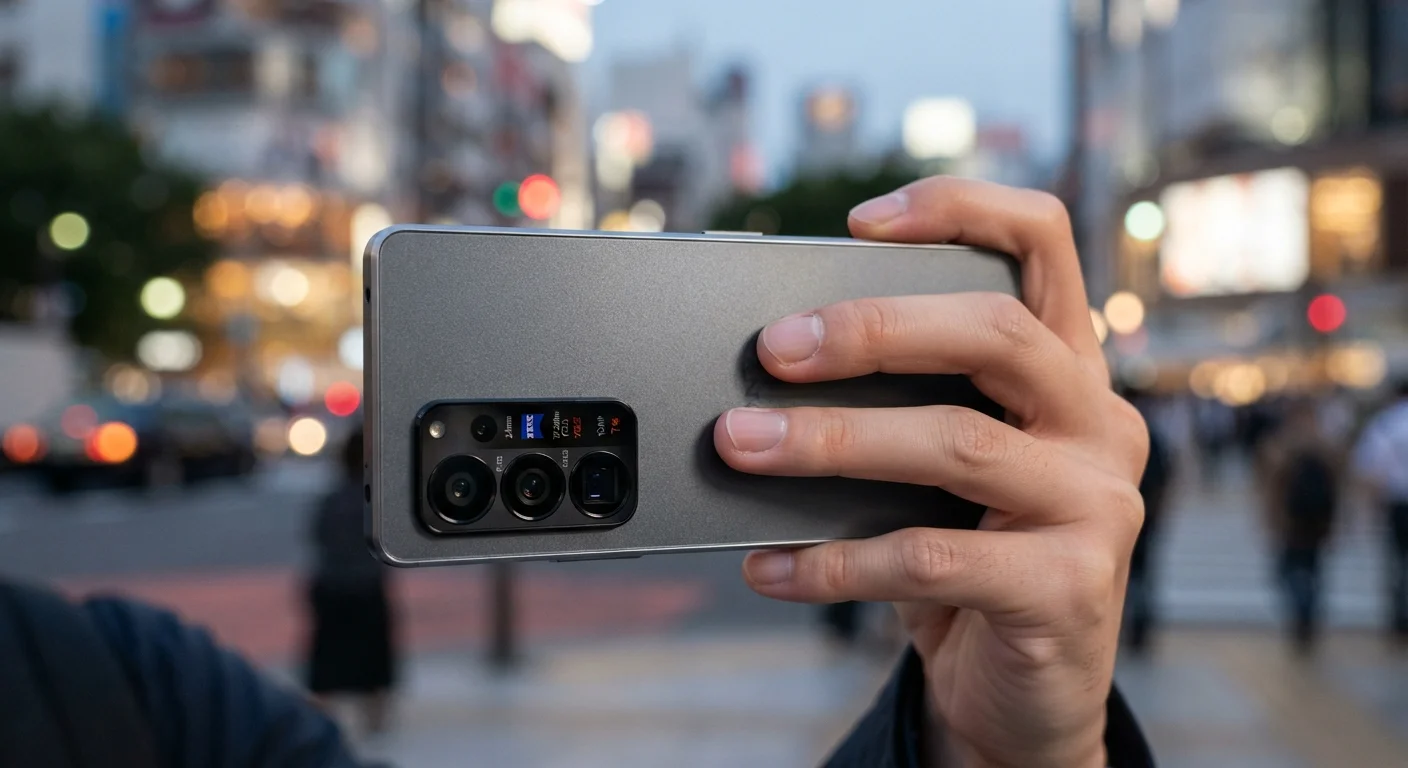
Most contemporary smartphones carry two or three rear cameras, each built around a different lens type:
- Main (wide) lens: The primary camera used in most shooting situations. Typically the largest sensor and widest aperture.
- Ultrawide lens: Captures a much broader field of view - useful for landscapes, architecture, or tight spaces. Usually has a smaller sensor and performs less well in low light.
- Telephoto lens: Enables optical zoom, bringing distant subjects closer without software degradation.
Some phones also include a macro lens for extreme close-up shots, though these vary widely in usefulness. Understanding that each lens is essentially a separate camera helps explain why video or night shots can look different depending on your zoom level - you may be switching sensors mid-shoot.
High-quality photos also take up significant storage. If you shoot frequently, see our explainer on managing phone storage to avoid running out of space.
What to Actually Look For
When evaluating a smartphone camera, focus on these practical factors rather than headline spec numbers:
- Sensor size - larger sensors outperform in low light and produce better dynamic range.
- Aperture - lower f-number means more light; critical for indoor and evening shooting.
- Optical zoom range - check the actual hardware zoom capability, not the maximum digital range.
- Software maturity - computational features like night mode, HDR blending, and stabilization are shaped by ongoing software development.
- Video capability - stabilization, frame rate options, and log/flat color profiles matter if you shoot video regularly.
One persistent myth worth addressing: more megapixels does not automatically mean better photos. This and other common misconceptions are covered in detail in our piece on common smartphone myths.
“The best camera is the one that's with you - but understanding what your phone's camera can and can't do is what separates a good shot from a great one.”
— Chase Jarvis, Photographer and author of 'The Best Camera Is The One That's With You'
This article is for general informational purposes only. Camera performance varies by device, software version, and conditions.